
Over the past few years, significant advancements have been made in the field of nutritional science, leading to the development of supplements aimed at cellular repair and regeneration. These innovative products hold the potential to enhance your overall health by supporting your body’s natural healing processes. In this guide, you will discover the latest supplements that are garnering attention for their efficacy, the science behind their benefits, and how they can play a role in your wellness journey.
Key Takeaways:
- Emerging research suggests that certain supplements, such as NMN (Nicotinamide Mononucleotide) and Pterostilbene, may enhance cellular metabolism and promote longevity by supporting mitochondrial function.
- Antioxidants like Astaxanthin and Curcumin are gaining attention for their potential to reduce oxidative stress, which is linked to aging and chronic diseases.
- Collagen supplements are not only popular for skin health but are also being studied for their role in supporting joint and tissue regeneration.
- Peptides, such as BPC-157 and TB-500, are being investigated for their ability to promote healing and tissue repair, showing promise in recovery from injury.
- Adaptogens, including Ashwagandha and Rhodiola, may help in reducing stress and inflammation, thereby creating a more favorable environment for cellular repair processes.
The Revolutionary Role of NAD+ Precursors in Cellular Health
NAD+ precursors, such as nicotinamide riboside (NR) and nicotinamide mononucleotide (NMN), play a pivotal role in maintaining cellular energy levels and promoting longevity. By boosting NAD+ levels in your cells, these precursors enhance mitochondrial function, improve DNA repair, and stimulate cellular regeneration. As research continues to unravel the myriad benefits of NAD+, you may find these supplements to be powerful allies in supporting your overall health and vitality.
Mechanisms of Action
NAD+ precursors facilitate imperative biochemical reactions within your cells, particularly those involved in energy metabolism and cellular signaling. By increasing NAD+ levels, you enhance sirtuin activation, which regulates metabolism, inflammation, and cellular stress responses. This cascade effect not only fuels energy production but also promotes the repair of cellular damage and the defense against age-related decline.
Clinical Studies and Practical Applications
Recent clinical studies demonstrate the effectiveness of NAD+ precursors in enhancing metabolic health and improving age-related conditions. For instance, a randomized trial involving older adults showed that supplementation with NMN resulted in improved insulin sensitivity and muscle strength. Such findings indicate that incorporating these supplements into your regimen could bolster your resilience against age-related degeneration and bolster overall wellness.
In practical applications, many individuals are turning to NAD+ precursors not only for their potential anti-aging benefits but also for their role in enhancing exercise recovery and cognitive function. Studies suggest that participants who supplemented with NR experienced increased endurance and reduced fatigue during workouts, while others reported improved focus and mental clarity. These benefits can enhance your daily performance, whether you’re hitting the gym or tackling work tasks, making NAD+ precursors an attractive addition to your health strategy.
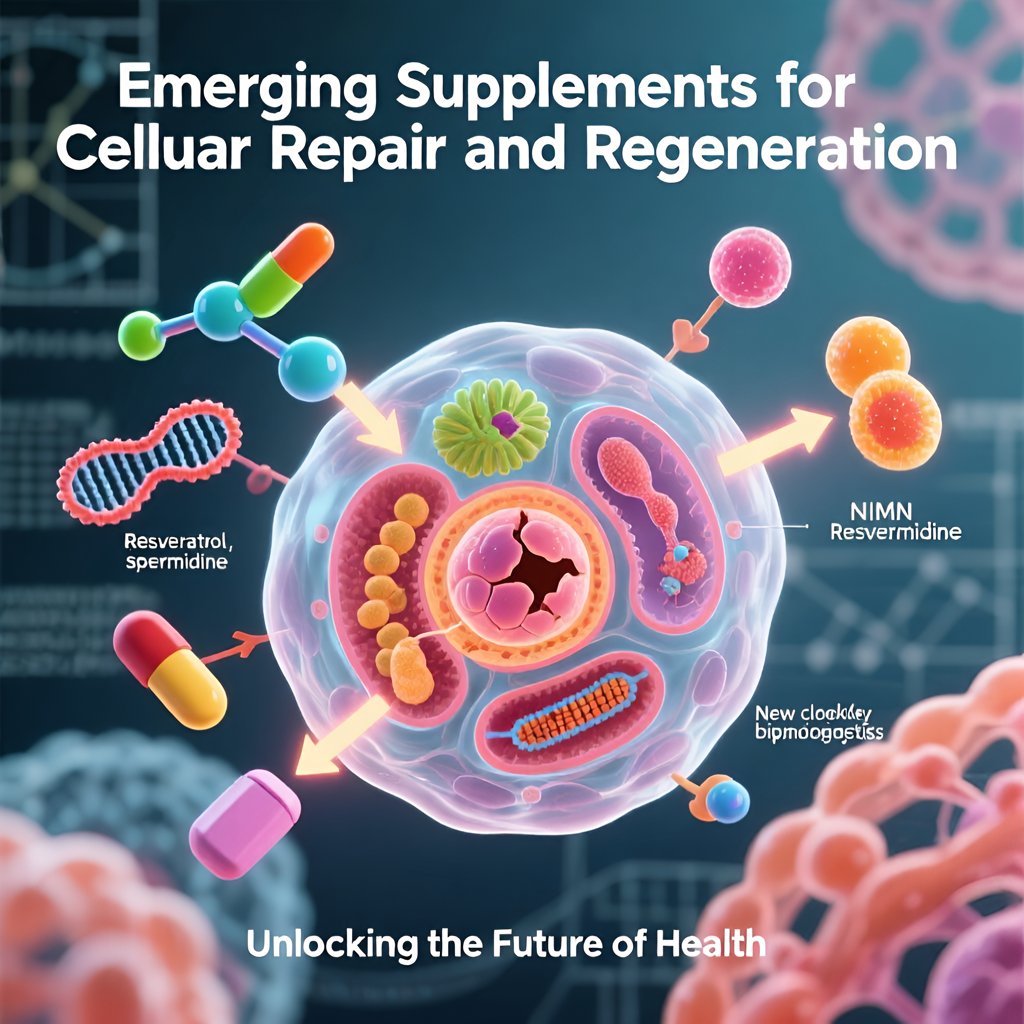
Unlocking the Potential of Resveratrol for Cellular Repair
Resveratrol, a polyphenolic compound found in red wine, grapes, and berries, has garnered attention for its potential to support cellular repair mechanisms. Research indicates that this powerful antioxidant may mitigate oxidative stress and inflammation within your cells, paving the way for rejuvenation and repair. By activating beneficial pathways, resveratrol holds promise as a supplement that could enhance your body’s natural regenerative abilities, promoting overall cellular health and vitality.
How Resveratrol Affects Gene Expression
Resveratrol influences gene expression by activating the sirtuin family of proteins, which play a critical role in regulating cellular processes linked to aging and repair. This activation helps enhance your cells’ stress response and metabolic functions, contributing to improved cellular resilience. Furthermore, resveratrol promotes the expression of genes associated with longevity, making it a compelling candidate for those seeking to enhance their health at the cellular level.
The Impact on Aging and Longevity
Research on resveratrol indicates that it may significantly affect aging and longevity. In animal studies, resveratrol was linked to extended life spans, largely attributed to its ability to mimic caloric restriction, a well-known factor in promoting health span. By activating cellular pathways that enhance mitochondrial function and reduce inflammation, resveratrol helps mitigate age-related diseases, potentially allowing you to enjoy a healthier, more vibrant life as you age.
This compound’s promising effects are not just theoretical. In human studies, participants supplementing with resveratrol showed improved biomarkers related to inflammation and oxidative stress, suggesting its role in mitigating the effects of aging on cellular function. By fostering a healthier cellular environment, you might not only expect improvements in your current health status but also benefit from long-term longevity strategies influenced by this remarkable compound.
Exploring the Benefits of Curcumin Beyond Its Spice Status
Curcumin, the active compound in turmeric, transcends its role as a culinary ingredient, showcasing a myriad of health benefits. This vibrant yellow compound is gaining recognition for its significant anti-inflammatory and antioxidant properties, making it a focal point in cellular repair and regeneration. As research unfolds, you may find that curcumin not only enhances your culinary creations but also supports overall health, delivering profound implications for longevity and vitality.
Anti-inflammatory Properties and Cellular Repair
The anti-inflammatory properties of curcumin play a pivotal role in cellular repair, effectively targeting pathways that lead to chronic inflammation. By inhibiting inflammatory mediators, such as cytokines and enzymes, curcumin fosters an environment conducive to healing at the cellular level. Evidence indicates that incorporating curcumin into your diet could potentially reduce markers of inflammation, which is beneficial for long-term health and recovery from various degenerative conditions.
Curcumin Absorption: Strategies for Enhanced Bioavailability
Curcumin’s health benefits hinge on its bioavailability; however, it often suffers from poor absorption in the body. To maximize its efficacy, you can employ several strategies to enhance absorption. Pairing curcumin with black pepper, which contains piperine, has been shown to significantly increase its bioavailability by up to 2000%. Additionally, consuming it with healthy fats, such as olive oil or coconut oil, can further facilitate absorption, allowing you to unlock more of its potent benefits both for cellular repair and overall health.
To truly benefit from curcumin, consider supplements formulated with enhanced bioavailability, such as microencapsulated forms or liposomal delivery systems. These innovative formulations ensure that curcumin reaches your bloodstream more effectively than traditional powdered supplements. In addition to piperine, certain complexes combine curcumin with phospholipids or utilize nanoparticle technology to ensure your body can absorb the ideal amount. By incorporating these strategies, you can effectively leverage curcumin’s powerful anti-inflammatory properties, fostering cellular repair and enhancing your overall well-being.
The Pioneering Research on Senolytics and Their Role in Cellular Rejuvenation
Recent breakthroughs in senolytic research are illuminating their potent ability to rejuvenate cells. These compounds selectively target and eliminate senescent cells — those that have lost their capacity for division and can contribute to aging and chronic diseases. By clearing these dysfunctional cells from your body, senolytics not only promote better tissue function but also introduce a promising avenue for age-related conditions, showcasing their vital role in the future of regenerative medicine.
Targeting Senescent Cells: The Science Behind Senolytics
Senolytics operate through a targeted approach, selectively inducing death in senescent cells while sparing healthy ones. Research has identified specific pathways and compound classes, such as quercetin and dasatinib, that can effectively trigger the apoptosis of these harmful cells. The mechanics behind this phenomenon are rooted in the unique signaling characteristics of senescent cells, which exhibit distinct molecular markers that senolytics can exploit to restore cellular balance in your tissues.
Potential Therapeutic Applications and Future Directions
The potential applications for senolytics span various fields, including oncology, cardiovascular health, and metabolic disorders. Early studies suggest that they may help alleviate symptoms in conditions like Alzheimer’s disease and osteoarthritis by improving organ function and reducing inflammation. As researchers continue to explore the therapeutic landscape, clinical trials are underway to determine optimal dosing and long-term effects, positioning senolytics as a promising player in the age management toolkit for future generations.
With additional research and clinical trials, the practical applications for senolytics could extend far beyond their initial use. Scientists are investigating their role in post-cancer treatment recovery and management of age-related decline, focusing on how these compounds can enhance quality of life and longevity. As understanding in this area deepens, they may even become integrated into standard practices for promoting health across the lifespan, allowing you to embrace a more vibrant and youthful existence.

The Synergistic Effect of Omega-3 Fatty Acids in Cell Repair and Regeneration
Mechanisms and Benefits on Cellular Structures
Omega-3 fatty acids play a pivotal role in enhancing cellular repair and regeneration by modulating inflammatory processes and promoting the integrity of cellular membranes. They incorporate themselves into phospholipid bilayers, improving membrane fluidity and function, which is important for cellular communication and nutrient transport. This improved membrane functionality supports cellular resilience against damage and accelerates the healing processes within tissues, thereby contributing to your overall well-being.
Dietary Recommendations for Optimal Results
To maximize the benefits of omega-3 fatty acids, incorporate sources such as fatty fish, walnuts, flaxseeds, and chia seeds into your diet. Aiming for at least two servings of fish per week, particularly oily varieties like salmon or mackerel, provides sufficient amounts of EPA and DHA, the two most beneficial omega-3s. If you prefer a plant-based approach, consider including flaxseed oil or algal oil supplements, ensuring a diverse intake of these important fatty acids for optimal cellular repair.
Striving for a balanced intake of omega-3 fatty acids can significantly enhance cellular repair and regeneration. Including a variety of sources in your diet not only supports heart health but also amplifies cellular functions and boosts anti-inflammatory responses. Aim to create a meal plan that includes greens, nuts, and fatty fish, aligning your nutrition with your body’s needs for restoration and renewal. Regularly assessing your intake and considering supplementation if necessary can lead to better overall health outcomes and improved cellular longevity.
Conclusion
Ultimately, exploring emerging supplements for cellular repair and regeneration can significantly enhance your health and well-being. By understanding the potential benefits and mechanisms behind these supplements, you empower yourself to make informed choices that support your body’s healing processes. As research continues to unfold, staying updated will help you identify innovative ways to optimize your cellular health and promote longevity.
FAQ
Q: What are emerging supplements for cellular repair and regeneration?
A: Emerging supplements for cellular repair and regeneration include a variety of compounds such as NAD+ precursors (like NMN and NR), antioxidants (such as astaxanthin and resveratrol), and compounds like curcumin and quercetin. These supplements are being studied for their potential to support cellular health, enhance repair mechanisms, and promote regenerative processes within the body.
Q: How do NAD+ precursors support cellular repair?
A: NAD+ precursors, such as nicotinamide mononucleotide (NMN) and nicotinamide riboside (NR), help increase levels of NAD+, a coenzyme vital for energy metabolism and cellular repair. By boosting NAD+ levels, these supplements may enhance mitochondrial function, activate sirtuins—proteins that play a key role in repairing DNA—and promote overall cellular longevity.
Q: Are there specific antioxidants that can aid in cellular regeneration?
A: Yes, specific antioxidants like astaxanthin and resveratrol have been shown to support cellular regeneration. Astaxanthin is known for its ability to protect cells from oxidative stress, while resveratrol may improve cellular function by activating certain pathways that promote repair and longevity. Incorporating these antioxidants into one’s diet or supplement regimen may enhance cellular health.
Q: Can curcumin and quercetin play a role in cellular repair and regeneration?
A: Both curcumin, derived from turmeric, and quercetin, a flavonoid found in many fruits and vegetables, have anti-inflammatory properties that may contribute to cellular repair. Curcumin has been shown to support cellular signaling pathways that lead to regeneration, while quercetin may help mitigate oxidative stress and promote healthy inflammatory responses, potentially benefiting cellular longevity.
Q: Are there any risks associated with taking these emerging supplements?
A: While many emerging supplements show promise for cellular repair and regeneration, it is vital to consult with a healthcare professional before starting any new supplement regimen. Potential risks may include allergic reactions, interactions with medications, or side effects at high doses. Personal health status, existing conditions, and individual responses should be considered when evaluating supplement use.