

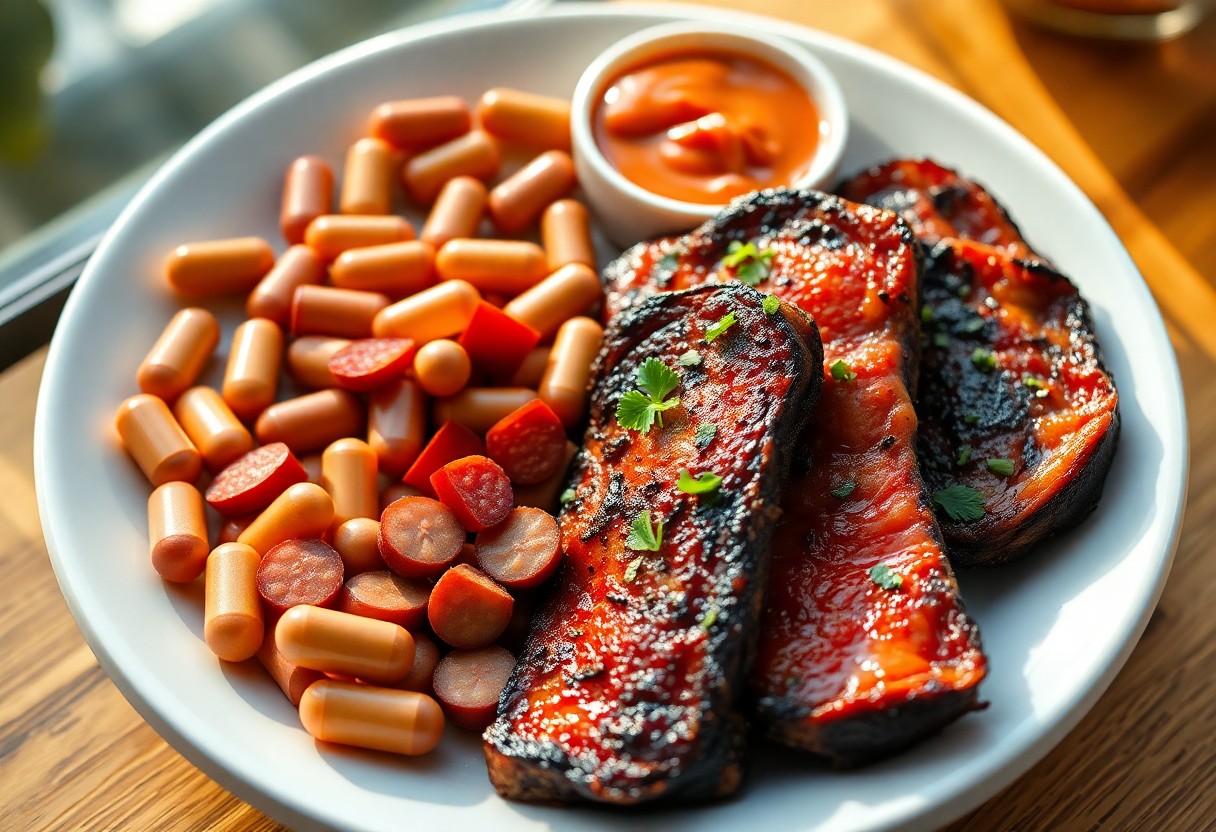
With rising interest in nutrient-dense foods, you may be wondering whether beef liver supplements or traditional BBQ liver is the better choice for your health. Both options offer a rich source of crucial vitamins and minerals, but understanding their differences can help you decide which fits best into your lifestyle and nutritional goals. This post will explore the benefits, potential drawbacks, and how to effectively incorporate either into your diet.
Key Takeaways:
- Beef liver supplements provide concentrated nutrients, making it easier to obtain vitamins and minerals like B12 and vitamin A without consuming large quantities of liver.
- BBQ liver offers a flavorful and enjoyable way to incorporate liver into meals, appealing to those who prefer whole foods over supplements.
- Nutritional content can vary; supplements may have added ingredients or be processed differently compared to fresh liver, which retains its original properties.
- Consider dietary preferences and restrictions; supplements might be suitable for those with limited access to fresh liver or who dislike the taste and texture of cooked liver.
- Consulting with a healthcare provider is advisable when adding new supplements to your diet, especially if managing specific health conditions or nutrient needs.
The Nutritional Powerhouse: Analyzing Beef Liver
Beef liver stands out as one of the most nutritious foods available, boasting an impressive array of vitamins and minerals. You’ll find high levels of vitamin A, B vitamins, iron, and copper, making it a powerhouse for overall health. For those looking to enrich their diet with necessary nutrients, beef liver is a formidable option that can rival many other sources of nutrition.
Micronutrients and Their Benefits
In terms of micronutrients, beef liver is unmatched. It offers substantial amounts of vitamin A, which supports vision and immune function, while vitamin B12 plays a vital role in energy production and brain health. Furthermore, the high iron content aids in combating anemia. Each of these components contributes significantly to your overall wellness, making beef liver an indispensable addition to a nutrient-rich diet.
Comparing Nutrient Density: Beef Liver vs. Other Organ Meats
When you compare nutrient density, beef liver outshines many other organ meats, such as chicken liver or pork liver. The table below illustrates this stark contrast in nutrient concentration, showcasing why beef liver should be your go-to choice.
| Nutrient | Beef Liver (per 100g) |
| Vitamin A | 16,000 IU |
| Vitamin B12 | 70 mcg |
| Iron | 6.2 mg |
| Copper | 12 mg |
| Folate | 290 mcg |
While other organ meats like chicken liver offer health benefits, they generally lack the same level of nutrient concentration found in beef liver. For instance, chicken liver contains about 1,200 IU of vitamin A and 16 mcg of vitamin B12 per 100g, which is significantly lower compared to beef liver. This strong nutrient profile makes beef liver the superior choice for those seeking maximum health benefits from their diet.
| Organ Meat | Vitamin A (IU per 100g) |
| Beef Liver | 16,000 |
| Chicken Liver | 1,200 |
| Pork Liver | 5,000 |
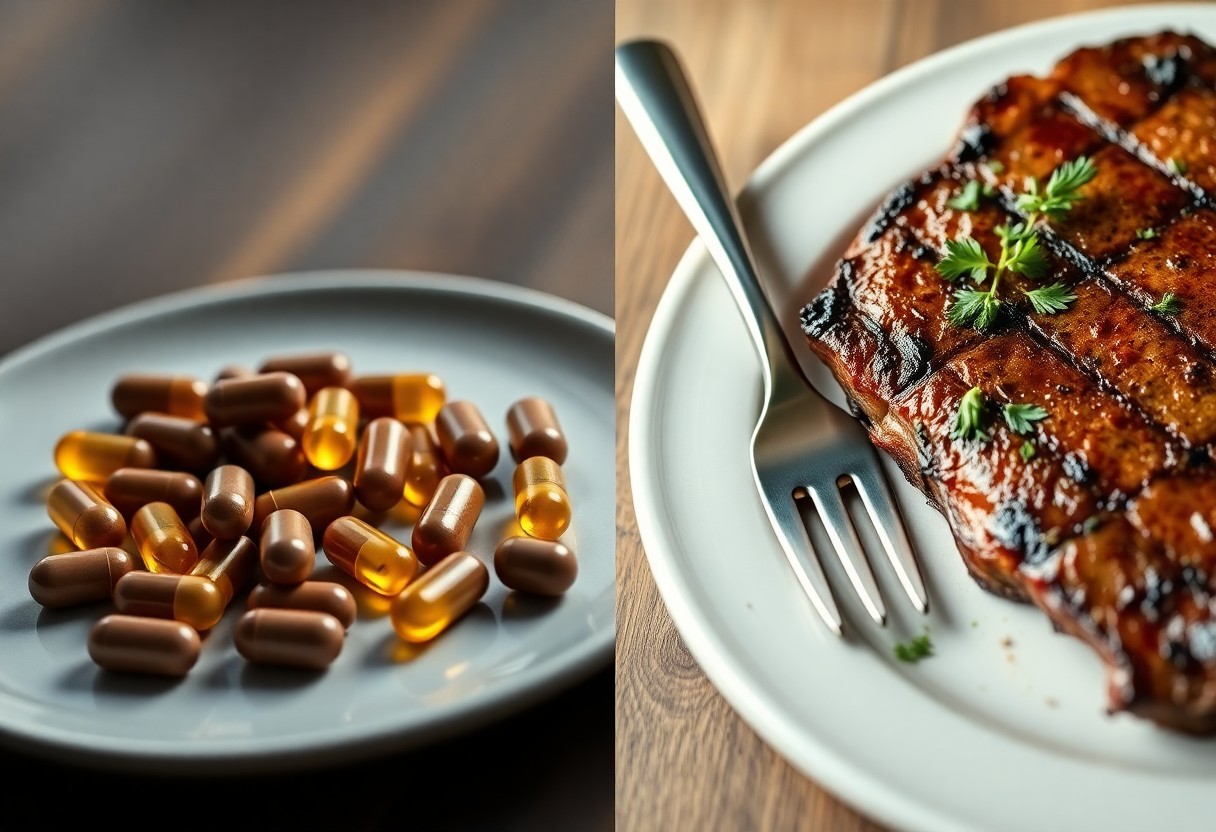
Supplements vs. Culinary Traditions: Understanding the Divide
The evolution of dietary habits often highlights a notable divide between modern supplement use and traditional culinary practices. While many gravitate towards beef liver supplements for their convenience and high nutrient density, others cherish the cultural significance and communal experience associated with preparing and enjoying BBQ liver. This contrast underscores not just dietary preferences but also the varying ways we approach health and nutrition through the lens of tradition versus modernity.
The Rise of Beef Liver Supplements: Are They Worth It?
In recent years, the popularity of beef liver supplements has surged, touted for their high content of necessary nutrients like iron, B vitamins, and vitamin A. These supplements offer a practical way to incorporate vital nutrients into your diet, especially for those who find it challenging to consume liver in its traditional form. However, this rise in supplementation prompts a question: do the benefits justify the departure from culinary traditions that have revered liver as a healthful food for centuries?
BBQ Liver: A Cultural Staple with Nutritional Value
BBQ liver is not just a simple dish; it embodies culinary traditions rich in history and cultural significance. Grilled or barbecued liver, often enhanced with spices and marinades, serves as a communal meal that gathers people and fosters connection. Nutritionally, it remains an excellent source of protein, iron, and various vitamins, aligning perfectly with a nutrient-dense diet while also providing an avenue to engage with heritage and family recipes.
Beyond its nutritional profile, BBQ liver brings a host of sensory experiences to the table. The smoky flavor combined with a tender texture creates an appealing dish that delights many palates. Traditional recipes often include regional spices or cooking methods passed down through generations, enriching the dining experience. Sharing a BBQ liver meal with loved ones fosters a sense of belonging and reinforces cultural ties, making it much more than a mere source of nutrition. Ultimately, it symbolizes a celebration of food that nourishes both body and traditions.
Digestibility and Bioavailability: How Your Body Absorbs Nutrients
Your body’s ability to absorb nutrients from food varies significantly between supplements and whole foods. Whole foods, like BBQ liver, often come with a complex matrix of nutrients that work synergistically, leading to more efficient absorption. Nutrients are typically more bioavailable when they are consumed in their natural form, as opposed to a concentrated pill. This is particularly significant for fat-soluble vitamins like A, D, E, and K, which require dietary fats for optimal absorption. The blend of micronutrients and enzymes in whole foods enhances your body’s metabolic processes, allowing for better utilization of resources.
Nutrient Absorption Rates: Supplements versus Whole Foods
In most cases, whole foods tend to offer higher absorption rates compared to supplements. For instance, studies suggest that iron from animal sources in liver is absorbed more efficiently than synthetic iron found in many over-the-counter supplements. Co-factors present in liver, such as vitamin C alongside iron, can maximize bioavailability and enhance overall nutrient utilization. Thus, opting for BBQ liver may provide better nourishment compared to popping a synthetic capsule that lacks these synergistic components.
Impact of Cooking on Nutrient Retention in Liver
Cooking liver influences both its nutrient retention and overall digestibility. While some nutrients can be diminished through heat, others are made more bioavailable. For instance, cooking liver can help break down cell walls, leading to improved absorption of nutrients like vitamin A and certain B vitamins. However, excessive heat can damage sensitive components such as water-soluble vitamins, so moderate cooking is key to achieving a balance between nutrient preservation and food safety.
When grilling or pan-frying liver, optimal cooking methods can enhance nutrient availability. Light sautéing or searing at lower temperatures allows the liver to retain many of its vitamins while ensuring a safe and flavorful dish. A quick cook speaks to preserving not just the texture but also the integrity of sensitive nutrients, making BBQ liver an excellent choice for those looking to harness its full potential. Conversely, the lengthy cooking methods often employed in casseroles may lead to nutrient losses, underscoring the value of smarter cooking techniques when preparing liver.
Health Considerations: Who Should Incorporate Liver into Their Diet?
Incorporating liver into your diet can be beneficial, especially if you struggle to obtain necessary nutrients from your regular meals. Athletes or individuals with higher energy demands may find liver particularly useful due to its rich nutrient profile. Additionally, those experiencing specific deficiencies, such as in B12 or iron, can significantly benefit from adding liver or liver supplements to their daily routine. However, always consider your personal health status and consult with a healthcare professional before making dietary changes.
Benefits for Specific Health Conditions
For individuals with anemia or low iron levels, the heme iron found in liver is especially bioavailable and can aid in the restoration of healthy iron levels. Furthermore, people with fatigue or cognitive issues may see improvements due to liver’s high content of vitamin B12, which is necessary for energy production and brain health. Additionally, nutritional support from liver can be beneficial for pregnant women, ensuring those imperative nutrients are available for both mother and baby.
Potential Risks and Side Effects
While liver is nutrient-dense, excessive consumption can lead to toxicity, particularly due to its high vitamin A content. Individuals with certain health conditions, such as gout or those on anticoagulant therapy, should be cautious when adding liver to their diet. Overconsumption may cause gastrointestinal distress, including nausea or diarrhea, especially if your body is not accustomed to high doses of nutrients.
Potential risks associated with liver consumption stem mainly from its high concentration of certain vitamins and minerals. For example, too much vitamin A can lead to toxicity, causing symptoms like headaches, dizziness, and even vision problems. Additionally, liver can accumulate heavy metals and toxins, so sourcing from organic, pasture-raised animals is advisable. You should monitor your intake to ensure you reap the benefits without experiencing adverse effects, especially if you have existing conditions that could be exacerbated by high levels of certain nutrients.
Practical Tips for Making Informed Choices
Making informed choices about beef liver supplements or BBQ liver involves understanding the options available and assessing their health benefits. Consider these practical tips to guide your decision:
- Research the source of supplements to ensure they’re derived from grass-fed, healthy animals.
- Before making a purchase, review product labels for nutrients and any added preservatives or fillers.
- Consult healthcare professionals, especially if you have health conditions or are pregnant.
- When planning meals, explore local farms for fresh liver and inquire about their farming practices.
- Consider your lifestyle preferences and how each option fits into your diet.
Any choice you make should prioritize your nutrition needs and overall health goals.
Selecting Quality Supplements: What to Look For
Pursuing high-quality beef liver supplements entails looking for products that specify their sourcing and processing. Opt for supplements made from grass-fed animals, as this can enhance nutrient density. Check for certifications from organizations that reflect the quality standards, such as organic or non-GMO labels. Additionally, verify the supplementation form—capsules, powder, or liquid—and select one that aligns with your preference for taste and convenience.
Preparing BBQ Liver: Recipes and Cooking Techniques
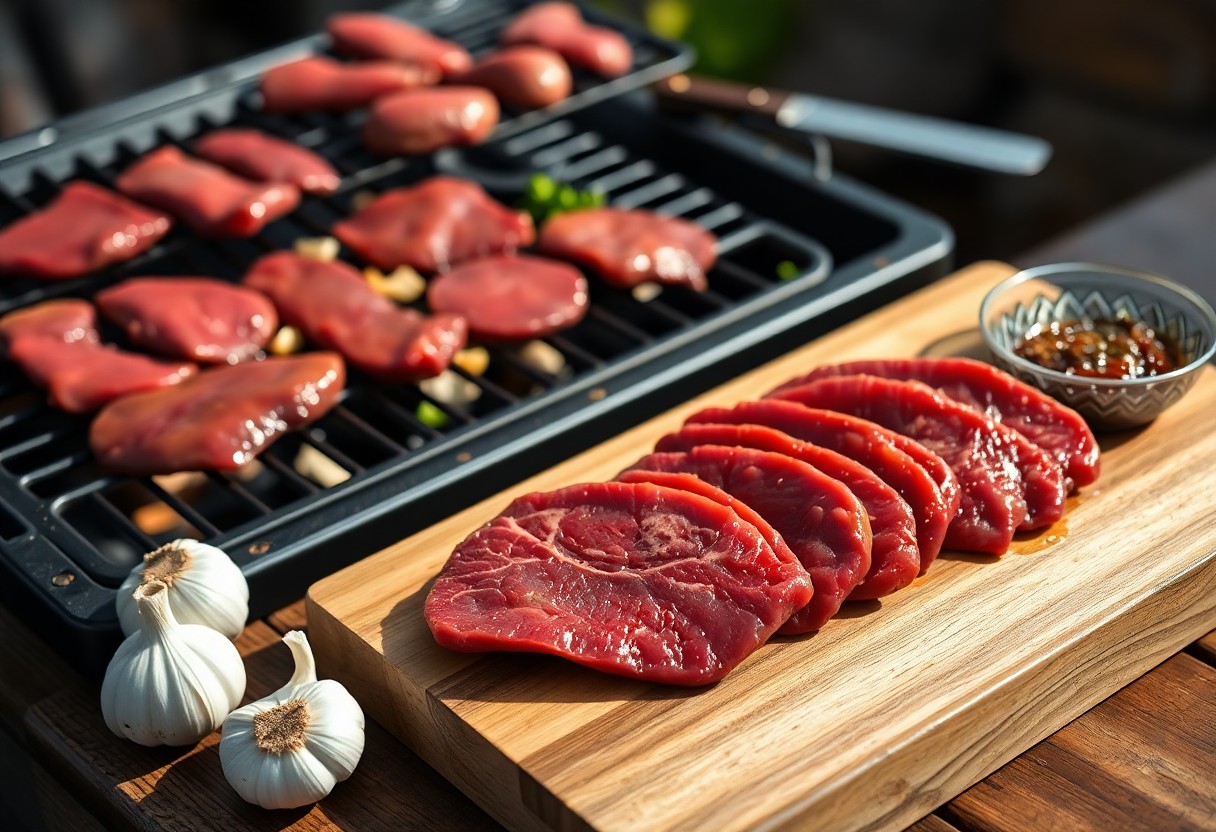
Creating delicious BBQ liver is all about balancing flavors and ensuring proper cooking techniques. Marinate your liver using a mix of herbs, spices, and acidic ingredients like lemon juice to enhance its rich flavor. Grill or sear the liver over high heat for just a few minutes on each side, cooking until it’s medium-rare to keep it tender. Pair it with caramelized onions or a zesty garlic sauce to complement the savory notes and make the dish more palatable.
Experimenting with recipes can elevate your BBQ liver experience. For instance, try marinating sliced liver in a mix of olive oil, balsamic vinegar, garlic, and rosemary for at least an hour. If you prefer a hint of sweetness, add a tablespoon of honey to the marinade. Once marinated, grill the liver for about two to three minutes per side, ensuring not to overcook it, as liver can become tough. Serve it alongside a fresh salad or grilled vegetables. With these methods, you can enjoy a nutrient-dense meal while savoring the rich flavors of BBQ liver.
Summing up
The choice between beef liver supplements and BBQ liver ultimately depends on your dietary preferences and nutritional goals. If convenience and concentrated nutrients appeal to you, supplements may be the right fit. However, if you enjoy the culinary experience and the richness of flavor that comes from cooking liver, barbequed liver can provide both taste and health benefits. Assess your lifestyle and nutritional needs to determine which option best aligns with your goals for optimal health.
FAQ
Q: What are beef liver supplements and how do they differ from eating BBQ liver?
A: Beef liver supplements are concentrated forms of nutrients found in liver, often available in capsules or powders. They are designed to provide a convenient way to intake vitamins and minerals such as vitamin A, B vitamins, and iron, which are abundant in liver. On the other hand, BBQ liver refers to the actual cooking and eating of liver, generally prepared by grilling or barbecuing. While BBQ liver offers a rich taste and direct consumption of the whole food, beef liver supplements provide a more concentrated dosage of the nutrients without the need for cooking.
Q: What are the health benefits of taking beef liver supplements?
A: Beef liver supplements are known for offering numerous health benefits, including high levels of vital vitamins and minerals that support energy levels, immune function, and overall health. Specifically, they are an excellent source of vitamin A, iron, and B vitamins, which all play important roles in bodily functions such as blood formation, cell regeneration, and maintaining healthy skin. They may also support cognitive function and help with fatigue recovery.
Q: Are there any side effects associated with taking beef liver supplements?
A: While beef liver supplements can be beneficial, they can also lead to potential side effects if consumed in excessive amounts. Due to their high vitamin A content, overconsumption may cause toxicity, leading to symptoms like nausea, headaches, and dizziness. It’s advisable to follow recommended dosages and consult a healthcare professional, especially if you are pregnant, nursing, or have existing health conditions.
Q: Can beef liver supplements replace a balanced diet?
A: Beef liver supplements are designed to complement a balanced diet, not replace it. Whole foods provide a wide array of nutrients that work synergistically, which supplements alone cannot offer. While supplements can help fill nutritional gaps, it’s vital to consume a varied diet rich in fruits, vegetables, whole grains, lean proteins, and healthy fats to achieve optimal health.
Q: How should beef liver supplements be taken for best results?
A: To gain the maximum benefits from beef liver supplements, they should be taken as directed on the product label, typically with food to enhance absorption. Timing may vary depending on individual preferences and digestion; some people might prefer taking them in the morning while others may take them with meals later in the day. Consistency is key, so incorporating them into a daily routine can help maintain nutrient levels.