

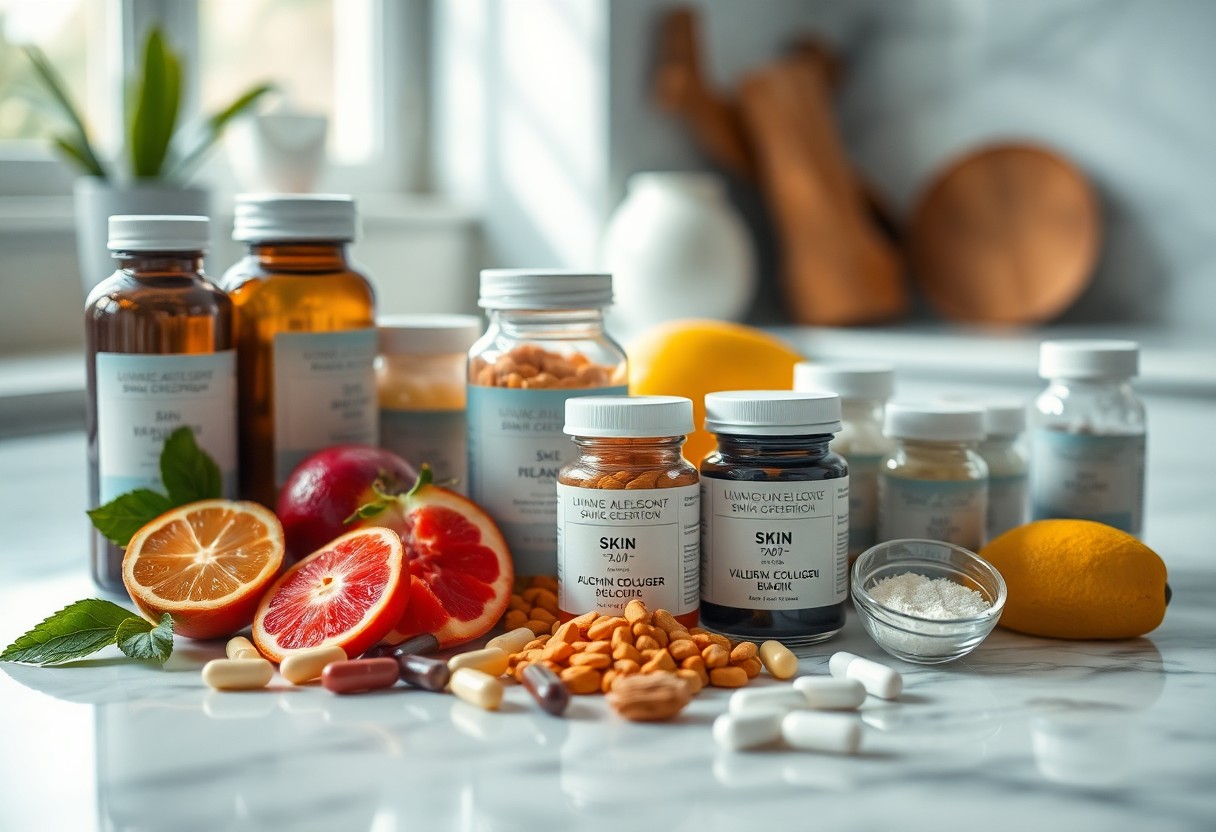
Healthy skin is a reflection of your overall well-being, and incorporating skin health supplements into your routine can enhance your beauty regimen significantly. These supplements are designed to provide vital nutrients that support skin vitality, hydration, and resilience. By understanding the various options available, you can make informed choices that align with your skin’s specific needs. This post will explore the best skin health supplements, how they work, and what to look for, empowering you to achieve a radiant and youthful complexion.
Key Takeaways:
- Skin health supplements can enhance the overall appearance and texture of the skin, promoting a radiant complexion.
- Vitamins such as C, E, and A, along with minerals like zinc, play significant roles in supporting skin health and fighting signs of aging.
- Omega-3 fatty acids, found in fish oil and flaxseed oil, help reduce inflammation and maintain skin hydration.
- Collagen supplements can improve skin elasticity and firmness, potentially reducing the appearance of fine lines and wrinkles.
- A balanced diet, combined with skin health supplements, contributes to a more effective skincare regimen for optimal results.
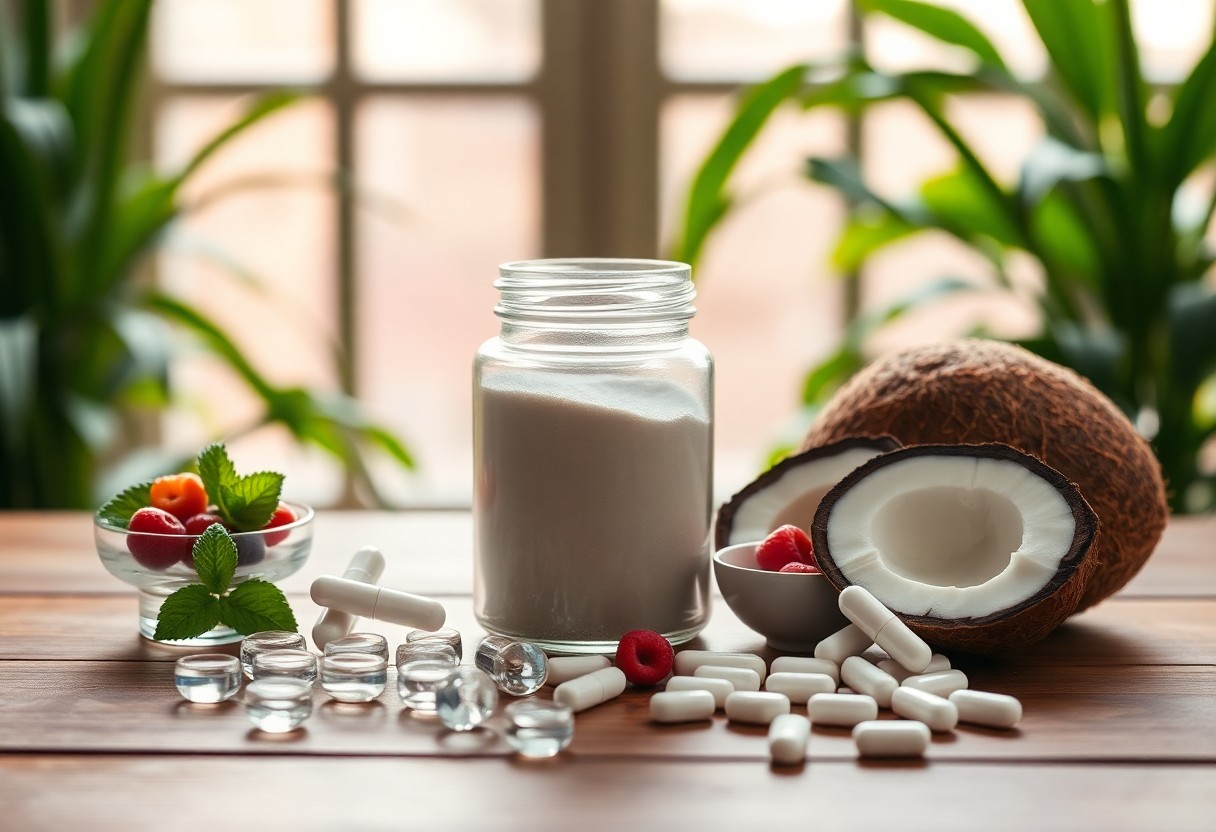
The Biochemistry of Beauty: How Supplements Influence Skin Health
Understanding the biochemistry behind skin health reveals how specific supplements can transform your skin from the inside out. Nutrients such as vitamins, minerals, and amino acids play pivotal roles in cellular repair, collagen synthesis, and maintaining hydration levels. This intricate interplay of biologically active compounds can lead to improved skin texture, elasticity, and an overall radiant glow, ensuring you not only look good but feel confident in your skin.
Key Nutrients That Matter: Vitamins, Minerals, and Antioxidants
Vitamins A, C, and E, along with minerals like zinc and selenium, are imperative for skin health. They act as powerful antioxidants that combat free radicals, reducing oxidative stress which can lead to premature aging. Vitamin C, in particular, is vital for collagen production, while zinc supports the skin’s healing processes and helps regulate oil production. Integrating these nutrients into your diet or supplement regimen can significantly enhance your skin’s vitality.
The Role of Collagen and Hyaluronic Acid in Skin Elasticity
Collagen and hyaluronic acid are fundamental components for maintaining skin elasticity and overall youthful appearance. Collagen, a key structural protein, provides firmness and support to your skin, while hyaluronic acid retains moisture, keeping skin plump and hydrated. As you age, the natural production of these substances diminishes, leading to fine lines and sagging. Supplementing with collagen peptides and hyaluronic acid has been shown in various studies to enhance skin hydration and elasticity, thus contributing to a more youthful complexion.
Research indicates that oral collagen supplements can improve skin hydration and elasticity after as little as eight weeks of consistent use. One study found that participants who took collagen peptides daily experienced a 20% increase in skin elasticity and a noticeable reduction in dryness compared to those who did not supplement. Hyaluronic acid, on the other hand, has the ability to hold up to 1000 times its weight in water, making it a powerhouse for moisture retention. In combination, these two supplements can effectively combat the signs of aging, fostering a plump, smooth skin texture that radiates health and vitality.
The Science of Supplement Synergy: Maximizing Benefits
Understanding the synergy between different skin health supplements can significantly elevate their effectiveness. Ingredients like collagen, hyaluronic acid, and antioxidants work together in ways that enhance each other’s benefits. For example, combining vitamin C with collagen not only improves skin elasticity but also boosts collagen production, creating a more youthful appearance. By strategically selecting and combining supplements, you can maximize their impact on your skin health journey.
Combining Ingredients for Optimal Skin Health
In the matter of skin health, certain ingredients pair exceptionally well. For instance, omega-3 fatty acids and biotin are often combined to enhance hydration and promote cellular repair. This combination can yield impressive results by addressing dryness and supporting overall skin vitality. Furthermore, choosing a multi-ingredient supplement designed for synergistic effects can save you time and ensure you’re getting a well-rounded approach to skin nourishment.
The Impact of Dosage and Absorption on Effectiveness
Your body’s ability to absorb and utilize nutrients plays a pivotal role in the effectiveness of skin health supplements. Factors like the dosage you take and the form of the supplement—such as capsules versus powders—can dramatically influence how much benefit you actually receive. For instance, studies suggest that taking collagen peptides in powdered form can enhance absorption rates compared to tablets, leading to better skin outcomes.
Specific dosages are also key; optimal levels of certain vitamins or minerals can vary based on individual needs and factors like lifestyle, age, and skin type. For example, vitamin E at a dosage of 400 IU has been shown to support skin health, but exceeding the recommended limits may lead to diminishing returns or side effects. Absorption can be enhanced with accompanying nutrients, such as taking magnesium to aid the absorption of zinc. Tailoring your supplement intake to your unique needs can therefore amplify results, ensuring your skin receives the full spectrum of benefits it deserves.
Real-World Applications: Popular Skin Health Supplements Reviewed
Exploring popular skin health supplements provides insight into their practical benefits and how they integrate into your daily routine. From collagen peptides to omega-3 fatty acids, each supplement offers unique properties that may enhance your skin’s appearance and overall health. By examining these supplements closely, you can better assess their potential to support your beauty regimen effectively.
Analyzing Efficacy: Collagen Peptides, Omega-3 Fatty Acids, and More
Collagen peptides have gained popularity for their role in enhancing skin elasticity and hydration, while omega-3 fatty acids contribute to reduced inflammation and healthier skin barriers. Other supplements, such as hyaluronic acid and vitamin C, offer additional antioxidant benefits and skin-boosting properties. Assessing each supplement’s effectiveness can guide your choices in achieving optimal skin health.
Customer Reviews and Clinical Trials: What the Data Reveals
User reviews and clinical trials provide invaluable insights into the effectiveness of skin health supplements. While anecdotal evidence from consumers highlights real improvements in skin texture and hydration, clinical studies often back these claims with scientific data regarding absorption rates and bioavailability. By analyzing both user experiences and scientific literature, you can make informed decisions about which supplements to incorporate into your regimen.
Recent studies reveal that collagen peptides significantly enhance skin elasticity and hydration levels after just a few weeks of use. For instance, a clinical trial showed that participants experienced a 30% improvement in skin elasticity after consuming collagen supplements consistently for eight weeks. Similarly, user reviews express satisfaction with omega-3 fatty acids, noting reduced redness and improved overall skin tone. Monitoring both quantitative data and personal testimonials can offer a well-rounded perspective on the effectiveness of these skin health supplements in real-world scenarios.
Beyond the Bottle: Lifestyle Factors that Enhance Supplement Effects
Skin health supplements work best when combined with a holistic approach to beauty. Engaging in healthy lifestyle habits can significantly amplify the effects of the supplements you take. By integrating various factors into your daily routine, you can unlock the full potential of the nutrients you’re supplying your skin. Consider these key aspects:
- Regular exercise to boost circulation and oxygen flow.
- A balanced diet rich in antioxidants and skin-friendly nutrients.
- Adequate hydration to maintain skin elasticity and moisture levels.
- Mindfulness practices that reduce stress levels.
This alignment of lifestyle changes supports your skin, enhancing the results of your supplement regimen.
Nutrition and Hydration: The Foundation of Skin Vitality
A diet centered around whole foods rich in vitamins A, C, and E, as well as healthy fats, directly impacts skin health. These components work synergistically with your supplements to provide your skin with the nourishment it craves. Hydration is equally vital; water intake helps to flush out toxins and maintain skin’s suppleness. Aim for at least eight glasses of water daily to support this vibrant foundation.
The Role of Sleep and Stress Management in Skin Quality
Sleep and stress are often overlooked but play a vital role in your skin’s appearance. Insufficient sleep can lead to increased cortisol levels, which may contribute to skin concerns like acne and dullness. Prioritizing a good night’s rest, ideally 7-9 hours, allows your skin to repair and regenerate. Stress management techniques such as meditation, yoga, or even simple breathing exercises can also help balance hormones and promote a clearer complexion.
Focusing on these areas enhances your skin’s natural glow. Studies suggest that sleep deprivation negatively alters skin barrier function and increases inflammation, leading to more visible aging signs. Embrace a calming nighttime routine to signal your brain that it’s time for relaxation. Combine this with deep breathing exercises during the day to maintain a sense of balance. Your commitment to these practices not only supports supplement effectiveness but nurtures clear, vibrant skin.
Navigating the Market: Choosing Quality Skin Health Supplements
Your journey into the world of skin health supplements begins with mastering how to identify legitimate products. The supplement market can be overwhelming, with countless brands vying for your attention. Prioritize those backed by scientific research and transparent sourcing. Look for third-party testing and certifications that indicate quality and efficacy, ensuring you make informed decisions for your skin’s needs.
How to Read Labels: Identifying Effective Ingredients
Understanding how to read supplement labels is key to identifying effective ingredients. Focus on active components like collagen, hyaluronic acid, omega fatty acids, and vitamins C and E. Pay attention to their concentrations, as higher dosages may offer more pronounced benefits. Additionally, evaluate the ingredient list for fillers and additives, opting for formulations that prioritize pure, bioavailable forms of the nutrients.
Recognizing Misleading Marketing and Avoiding Pitfalls
Beware of claims that sound too good to be true; supplement marketing often leverages hyperbole and vague language. Products marketed as “miracle solutions” or “anti-aging wonders” may hold little scientific backing. It’s imperative to differentiate between genuine benefits and exaggerations, seeking supplements from reputable brands that provide evidence of their claims.
Many brands employ clever marketing tactics that can mislead consumers. Claims like “clinically proven” often lack comprehensible context—sourcing details about their studies or the sample size is vital. Additionally, some brands use buzzwords without substantial proof; for example, “natural” does not always equate to safe or effective. Look for peer-reviewed research supporting claims and consider consulting healthcare professionals or reviews from trusted sources before making a commitment. This discernment can spare your wallet and improve your skin health outcomes.
To wrap up
With these considerations, you are now equipped to make informed decisions about skin health supplements for beauty. By prioritizing the right nutrients and understanding how they affect your skin, you can achieve a radiant and healthy complexion. Always consult with a healthcare provider before starting any new supplement regimen to ensure it aligns with your specific needs. Investing in your skin’s health is an imperative step towards enhancing your overall beauty.
FAQ
Q: What are skin health supplements and how do they work?
A: Skin health supplements are dietary formulations designed to support skin health from the inside out. They typically contain vitamins, minerals, antioxidants, and imperative fatty acids that nourish the skin, promote hydration, improve elasticity, and help combat signs of aging. By providing the body with these nutrients, supplements may enhance skin appearance and texture, leading to a radiant complexion.
Q: Which ingredients should I look for in skin health supplements?
A: When identifying skin health supplements, consider looking for ingredients like collagen, hyaluronic acid, vitamin E, vitamin C, omega-3 fatty acids, and biotin. Collagen supports skin structure and hydration, vitamin C is a potent antioxidant that can brighten the skin, while omega-3 fatty acids can improve skin barrier function and reduce inflammation. Each ingredient has its unique benefits, so a combination can often yield the best results.
Q: How long does it take to see results from skin health supplements?
A: The timeframe for seeing results from skin health supplements varies depending on individual factors like metabolism, skin type, and the specific ingredients used. Generally, it may take anywhere from a few weeks to a few months to notice improvements in skin texture, hydration, or clarity. Consistent use is key, along with a balanced diet and skincare routine to achieve optimal benefits.
Q: Can skin health supplements replace my skincare routine?
A: While skin health supplements can support and enhance skin health, they should not be considered a substitute for a regular skincare routine. A comprehensive approach that includes cleansing, moisturizing, sun protection, and topical treatments, along with the use of supplements, tends to yield the best results for maintaining healthy skin and addressing specific concerns.
Q: Are there any side effects associated with skin health supplements?
A: Most skin health supplements are generally safe for most people when taken as directed. However, some individuals may experience mild side effects such as gastrointestinal discomfort or allergic reactions, depending on the ingredients. It’s advisable to consult with a healthcare professional before starting any new supplement regime, especially if you have existing health conditions or are taking medications.