


Many people seek natural remedies to enhance their health, and herbal supplements can play a significant role in this journey. You may be surprised to learn that certain edible grasses, like wheatgrass and barley grass, are packed with necessary vitamins, minerals, and antioxidants. Incorporating these nutrient-rich options into your diet can improve your overall well-being in a delightful and enjoyable manner. In this post, we’ll explore how you can easily include these powerful plants in your daily routine, helping you to reap their benefits without sacrificing taste or pleasure.
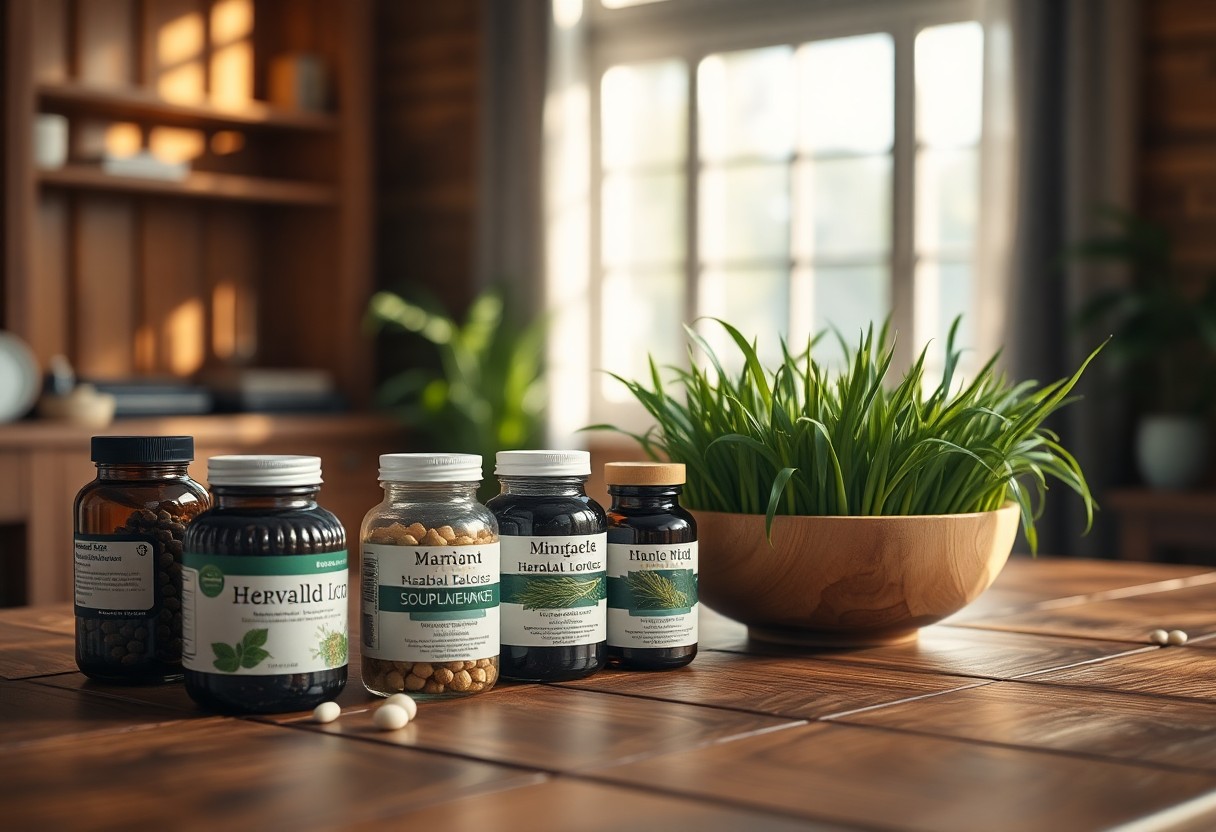
Key Takeaways:
- Herbal supplements can provide a variety of health benefits, including enhanced digestion and increased energy levels.
- Incorporating grasses like wheatgrass and barley grass can contribute to your overall wellness due to their rich vitamin and mineral content.
- When consuming grass-based supplements, consider the form that suits you best—juices, powders, or capsules—based on your lifestyle and preferences.
- Always consult with a healthcare professional before starting any new supplement regimen to ensure it aligns with your health goals.
- Enjoy eating grass in pleasant ways by blending it into smoothies or incorporating it into meals for a flavorful and nutritious boost.
The Nutritional Power of Grass-Based Herbal Supplements
Grass-based herbal supplements pack a remarkable nutritional punch that can significantly benefit your overall health. These green superfoods are rich in vital vitamins, minerals, and antioxidants, making them a vital addition to your wellness routine. By incorporating grass supplements into your diet, you can enhance your nutritional intake effortlessly while enjoying a pleasant and vibrant boost in energy levels.
Key Nutrients in Common Grasses
Common grasses, such as wheatgrass and barley grass, are loaded with key nutrients including vitamins A, C, and E, along with vital minerals like calcium, magnesium, and potassium. This diverse nutrient profile contributes to various health benefits such as improved digestion, strengthened immunity, and enhanced energy levels. Additionally, these grasses are high in protein and fiber, making them a fantastic option for a balanced diet.
The Role of Chlorophyll in Wellness
Chlorophyll, the pigment that gives grass its vibrant green color, plays a significant role in your overall wellness. This powerful compound helps detoxify your body, promote healthy skin, and boost energy levels, making it an vital component of grass-based herbal supplements.
Engaging with chlorophyll-rich grasses like wheatgrass can elevate your health significantly. Scientific studies suggest that chlorophyll possesses antioxidant properties, which help combat oxidative stress and inflammation in the body. Furthermore, its detoxifying effects facilitate the elimination of harmful toxins, thereby supporting liver health. Incorporating these grass-based supplements can elevate your wellness journey and provide a natural pathway to feeling rejuvenated both physically and mentally.
Exploring Unique Ways to Incorporate Grass into Your Diet
Integrating grass into your diet can be both exciting and delicious. There are creative methods that allow you to enjoy grass’s myriad health benefits without sacrificing flavor. From smoothies that crank up your nutrient intake to gourmet recipes that showcase grass as an exquisite ingredient, your culinary journey can be both wholesome and enjoyable. Think beyond traditional uses and embrace innovative cooking techniques that make grass a star in your meals.
Smoothies and Juicing: A Refreshing Approach
Blend grass powders or fresh blades into your smoothies for a refreshing lift. Adding wheatgrass or barley grass to your morning blend not only enhances the vibrant color but also infuses your drink with a rich source of vitamins A, C, and K, along with crucial amino acids. Pairing these green additions with fruits like banana or mango can create a delectable taste experience while packing a powerful nutritional punch.
Gourmet Recipes: Elevating Grass to Culinary Highs
Incorporating grass into gourmet recipes can elevate your dining experience. Imagine grass-infused pesto served on whole-grain crostinis, or a delicate barley grass risotto infused with lemon zest and fresh herbs. Such dishes not only highlight the unique flavors of grass but also transform it into an ingredient worthy of fine dining. Experimenting with these ideas will open up a world of innovative meals.
Elevating grass to culinary highs means treating it with the care and creativity of any gourmet ingredient. For instance, using fresh grass as a garnish for seafood dishes can add a visually striking and texturally intriguing element. Creating a grass and citrus salad, where the grass is lightly steamed and tossed with a zesty vinaigrette, showcases both its flavor and nutritional benefits. Chefs have even begun to create grass-flavored ice creams and sorbets, proving it can be deliciously versatile. Embracing these techniques allows you to enjoy the nutritious aspects of grass while impressing guests with your culinary prowess.

The Science of Herbal Supplements: What Evidence Says
Exploring the science behind herbal supplements reveals a complex tapestry of effectiveness, safety, and application. Numerous studies and clinical trials have sought to uncover the true potential of herbal remedies, shedding light on both their therapeutic benefits and pitfalls. While some herbs boast robust evidence supporting their use, others remain shrouded in uncertainty. It’s imperative to stay informed about the latest findings to make informed choices about including these natural alternatives in your wellness routine.
Research Findings on Efficacy and Safety
Research shows that certain herbal supplements, like Echinacea for cold symptoms or St. John’s Wort for mild depression, have demonstrated efficacy in clinical trials. However, safety profiles can vary significantly between herbs. For example, while ginger is often deemed safe, it may interact with anticoagulants, posing risks. Hence, assessing both efficacy and safety via reputable studies is vital when considering herbal options.
Misconceptions and Myths Surrounding Herbal Use
Myths about herbal supplements often overshadow their legitimate benefits. Many believe that because they are “natural,” herbs are always safe and without side effects. In reality, not all natural substances are benign, and some can have significant adverse effects, especially when misused. Understanding these myths fosters better decision-making regarding herbal supplementation and encourages responsible consumption.
One of the most pervasive myths is that all herbal products are rigorously tested and approved. Unlike pharmaceuticals, herbal supplements often lack consistent quality control and regulatory oversight, leading to variability in potency and purity. Additionally, some individuals assume that higher doses yield greater benefits, yet this can lead to toxicity rather than enhancement of effects. Many also believe that because herbs are “natural,” they won’t interact with prescription medications, a potentially dangerous misconception. Recognizing these myths allows you to approach herbal supplements with an informed and cautious mindset, maximizing their benefits while minimizing risks.
Transitioning to Grass-Based Diet: Tips for a Smooth Shift
Making the leap to a grass-based diet can be an empowering experience with the right approach. Start by educating yourself on various grasses and their benefits. Here are some practical tips to consider:
- Incorporate grass gradually into your meals.
- Experiment with fresh juices or smoothies.
- Pair grass with familiar flavors to ease the transition.
- Maintain a balanced diet while you adapt.
Thou shall embrace this journey towards a healthier lifestyle with patience and enthusiasm!
Gradual Introduction: A Strategy for Success
Introducing grass into your diet isn’t an overnight process; patience is key. Start with small amounts and slowly increase your intake over a span of several weeks. This allows your body to adjust and minimizes digestive discomfort. By blending grass powders into your favorite smoothies or energy bars, you can make it a delicious addition while your palate adapts.
Flavor Pairing: Making Grass Palatable
Pairing grass with complementary flavors can significantly enhance your eating experience. Ingredients like citrus fruits, honey, and nut butters can mask any overwhelming taste while still allowing you to reap the benefits of the grass itself. Adding a splash of lemon juice or a dollop of yogurt can create a delectable balance that keeps you coming back for more.
Experimenting with various flavor combinations can make greens far more enjoyable. Try mixing freshly-cut grass with almonds and a touch of maple syrup for a nutritious snack. Alternatively, blending your grass powder with fresh mint, coconut water, and a pinch of salt can yield an invigorating drink, perfect for hot summer days. The key lies in creativity; don’t shy away from trying unconventional pairings to discover what delights your taste buds. With enough experimentation, you’ll find combinations that not only mask the flavor but elevate the overall experience of consuming grass.
The Ethical and Environmental Impact of Grass Consumption
Grass consumption raises important questions regarding its ethical and environmental impact. Farming practices can either contribute to sustainable ecosystems or compromise them. By opting for grass-based diets, you directly influence land use, biodiversity, and agricultural practices, which are vital components for maintaining a healthy balance in our food systems.
Sustainability of Grass Farming Practices
Sustainable grass farming practices promote soil health, lower carbon footprints, and utilize natural resources more efficiently. By rotation grazing and incorporating organic farming methods, grass can thrive without depleting vital nutrients. Moreover, these practices support a diverse ecosystem that encourages beneficial wildlife and plant species, enhancing the overall resilience of agricultural systems.
Ethical Considerations in Herbal Supplement Sourcing
Ethical sourcing of herbal supplements hinges on transparency, fair labor practices, and environmental stewardship. You’ll want to prioritize brands that showcase their commitment to sustainable harvesting and ecological balance, ensuring that wild plants aren’t over-collected and that local communities benefit from their cultivation.
Ethical considerations extend beyond just sourcing methods; they include the potential socioeconomic benefits for local farmers. Companies investing in ethical practices often engage in fair trade models that ensure farmers receive livable wages, empowering them to improve their communities. By choosing supplements sourced ethically, you contribute to a more equitable global economy and encourage practices that support biodiversity and sustainability. Supporting brands that are transparent about their supply chains creates a ripple effect, promoting responsible practices in the herbal supplement industry.
Conclusion
Following this exploration of herbal supplements and the benefits of consuming grass in a pleasant way, you have an opportunity to enhance your wellness journey. By integrating these natural options, you can potentially improve your overall health and vitality. Embrace the diversity of herbal supplements and learn how to incorporate them into your diet seamlessly. The knowledge you’ve gained can empower you to make informed choices that align with your lifestyle and wellness goals.
FAQ
Q: What are herbal supplements and how do they benefit health?
A: Herbal supplements are products made from plants that are used to improve health or relieve health concerns. They can contain various parts of the plant, including leaves, roots, seeds, and flowers. Many people use herbal supplements for their potential benefits, such as boosting the immune system, improving digestion, or supporting mental clarity. It’s important to consult with a healthcare provider before starting any new supplement to ensure it’s appropriate for your health needs.
Q: How can I incorporate grass into my diet in a pleasant way?
A: Incorporating grass into your diet can be done in various enjoyable ways. For example, you can try wheatgrass shots, which are concentrated forms and can be mixed with juice or smoothies for added flavor. Another option is to add barley grass powder to your morning smoothie or yogurt. Some people enjoy making herbal teas using dried grass or grassy herbs such as lemongrass, which adds a fresh taste. Finding recipes that match your flavor preferences can make this experience even more enjoyable.
Q: Are there any side effects of taking herbal supplements?
A: While many herbal supplements are generally considered safe, they can have side effects or interact with medications. Some people may experience gastrointestinal discomfort, allergies, or other reactions. It’s imperative to research each supplement thoroughly and discuss your options with a healthcare professional, especially if you are pregnant, nursing, or taking other medications.
Q: Can herbal supplements replace traditional medicine?
A: Herbal supplements should not be viewed as substitutes for traditional medicine. While they can support overall health and address certain conditions, they do not have the same efficacy or regulatory oversight as pharmaceutical drugs. It is vital to use herbal supplements in conjunction with, not as a replacement for, prescribed treatments. Consulting your healthcare provider is key to ensuring a holistic approach to your health.
Q: How do I choose a quality herbal supplement?
A: Choosing quality herbal supplements requires careful consideration. Look for products that come from reputable manufacturers that follow good manufacturing practices (GMP). Check for third-party testing, which indicates quality and purity. Additionally, read labels to ensure the supplement contains the active ingredients you’re looking for, and be aware of any fillers or artificial additives. Seeking recommendations from a healthcare professional can also guide you to reliable options.