

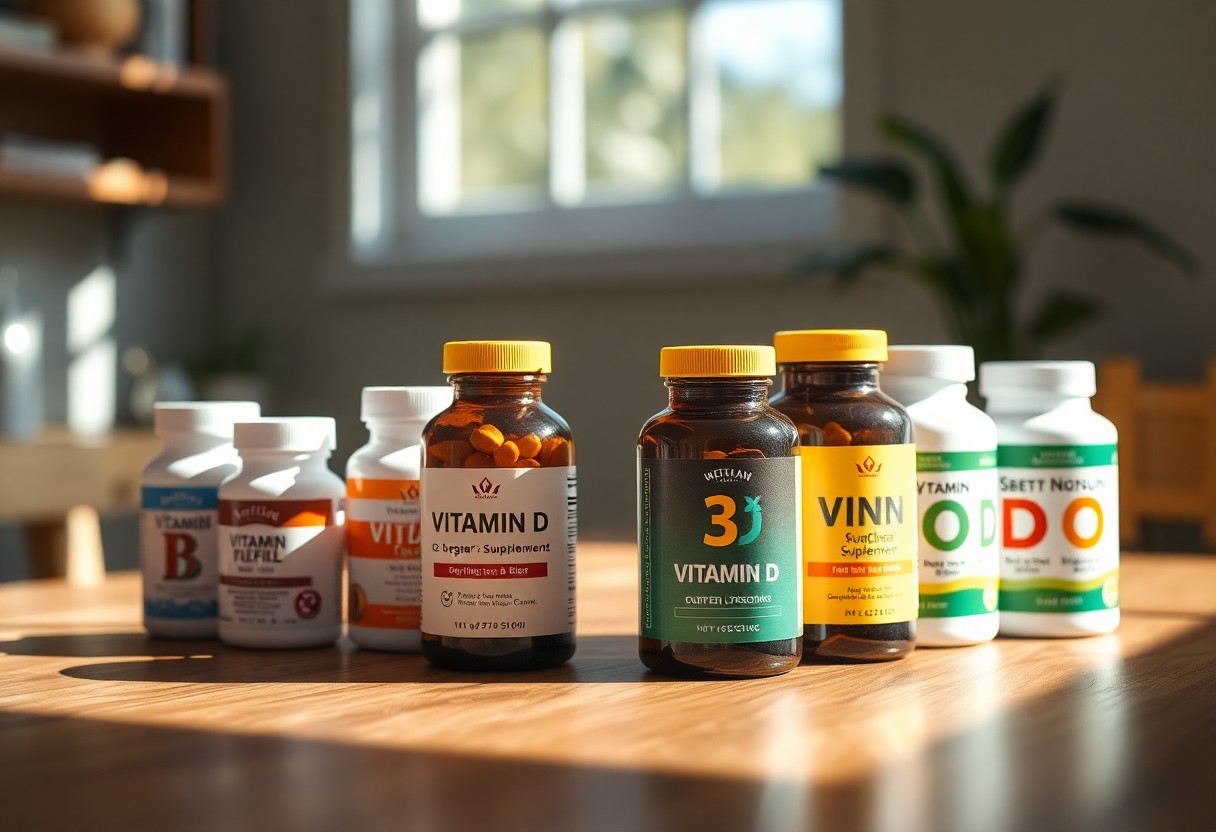
Most people are unaware that not all vitamin D supplements are created equal, which can impact your health and well-being. When considering supplementation, it’s vital to understand the differences between forms such as D2 and D3, as well as the various attributes of brands and formulations. By educating yourself on these nuances, you can make informed choices that best support your vitamin D needs and overall health. This post will help clarify these differences and guide you in selecting the right vitamin D supplement for you.
Key Takeaways:
- Not all vitamin D supplements are created equal; they can differ in forms (D2 vs. D3), potency, and additional ingredients.
- Vitamin D3 (cholecalciferol) is generally more effective at raising serum vitamin D levels compared to vitamin D2 (ergocalciferol).
- The source of vitamin D, whether derived from lanolin (sheep wool) or algae, can affect its suitability based on dietary restrictions.
- Dosage can vary significantly between products, making it important to consult with a healthcare professional to determine your specific needs.
- Quality and purity of supplements can vary by brand; looking for third-party testing can help ensure the product meets safety and efficacy standards.
The Science of Vitamin D: More Than Just a Supplement
Your body requires vitamin D for various crucial functions, extending far beyond bone health. This fat-soluble vitamin plays a pivotal role in regulating calcium and phosphorus levels, supporting immune system function, and even influencing mood. Research suggests that adequate vitamin D levels can decrease the risk of chronic diseases such as cardiovascular disease and certain cancers. Furthermore, studies have highlighted its integral role in cellular growth and differentiation, further underscoring its importance in maintaining overall health.
The Role of Vitamin D in the Body
Vitamin D serves multiple functions in your body, acting as a potent hormone that modulates immune responses and inflammation. It enhances the absorption of calcium in your gut, vital for maintaining healthy bones and teeth. Additionally, vitamin D influences over 200 genes connected to various bodily functions, including neuromuscular function and chronic disease prevention, showcasing its broad impact on overall health and wellness.
Sources of Vitamin D: Sunlight vs. Supplements
Sunlight exposure is the most natural way to obtain vitamin D, as your skin synthesizes it when ultraviolet B rays penetrate. However, factors like geographic location, skin pigmentation, and seasonality can limit your sun exposure, making it challenging to get adequate amounts naturally. Supplements provide an alternative, ensuring that you receive sufficient vitamin D to meet your needs, particularly during winter months or when lifestyle factors restrict sun exposure.
While sunlight is often the best source of vitamin D, it isn’t always accessible. For instance, individuals living in higher latitudes or with darker skin may require additional support through dietary sources or supplements. Foods such as fatty fish, fortified milk, and egg yolks deliver some vitamin D, but meeting daily requirements can be difficult through diet alone. In these cases, opting for a supplement—especially one that offers vitamin D3 (cholecalciferol)—ensures you maintain optimal levels for health and wellness. Evaluating your lifestyle and dietary habits can help you determine if supplementation is necessary for you.
Navigating the Vitamin D Supplement Market: What to Look For
Finding the right vitamin D supplement can be overwhelming, given the variety of options available. Look for brands that use third-party testing for potency and purity to ensure you’re getting what you expect. Check the dosage carefully; many formulations offer different strengths to suit varying needs. Additionally, consider any added ingredients like oils or fillers, as these can impact absorption. Understanding the spectrum of products ensures you select one that aligns with your health goals.
Different Forms of Vitamin D: D2 vs. D3
Vitamin D supplements primarily come in two forms: D2 (ergocalciferol) and D3 (cholecalciferol). While both types can help raise vitamin D levels in your body, D3 is generally more potent and efficiently utilized by your system. Research indicates that D3 may elevate blood levels of vitamin D more effectively than D2. Thus, choosing a supplement that contains D3 could provide better support for your health.
Quality Assurance: Understanding Labels and Certifications
Examining labels and certifications on vitamin D supplements offers valuable insight into their quality. Look for products that have been certified by reputable organizations, such as NSF International or the US Pharmacopeia (USP). These seals indicate that the supplement has undergone rigorous testing for ingredient accuracy and contamination. Furthermore, pay attention to the sourcing of vitamin D; products derived from lanolin, for instance, are animal-based, while those from lichen provide a vegan alternative.
When scrutinizing labels, focus on the sourcing and manufacturing practices of the brand. A supplement derived from high-quality ingredients, such as lichen or fish liver oil, signifies a higher standard of production. Labels should also clearly indicate the amount of active ingredient per serving and any potential allergens. Transparency in sourcing and ingredient lists reflects a brand’s commitment to quality, helping you make a well-informed decision for your health. By being diligent in your research, you can choose a supplement that meets your standards and supports your overall wellness effectively.
The Impact of Dosage: Is More Always Better?
Dosage significantly influences the effectiveness of vitamin D supplements. While higher doses may seem appealing for boosting your levels, moderation is key. Excessive intake can lead to adverse effects, emphasizing the need for a balance that promotes optimal health without crossing into excess territory.
Recommended Daily Allowances and Individual Needs
Daily recommendations for vitamin D vary based on age, sex, and specific health conditions. For most adults, the recommended daily allowance (RDA) is 600-800 IU, but individual needs may necessitate adjustments. Factors like geographical location, skin type, and lifestyle can all affect how much vitamin D you require.
Risks of Over-Supplementation: What You Should Know
Over-supplementation can lead to toxicity, manifesting in symptoms such as nausea, weakness, and more severe complications affecting kidney function. Staying informed about your intake is important, as exceeding the safe upper limit of 4,000 IU for extended periods can have serious health repercussions.
Patients have experienced hypercalcemia due to excessive vitamin D, resulting in symptoms like confusion, muscle weakness, and even kidney stones. Keeping your supplement dosage within recommended boundaries minimizes these risks. Regular blood tests can help you monitor your levels and adjust your intake as needed, allowing you to maintain balance without jeopardizing your health.
The Cost Factor: Are All Supplements Created Equal?
Cost often plays a significant role in your choice of vitamin D supplements. While you might assume a higher price guarantees better quality, that isn’t always the case. Various manufacturers price their products differently based on production methods, ingredient sourcing, and market positioning. Understanding these dynamics can help you make informed choices while exploring current options.
Price Variations: Understanding the Price-Quality Relationship
Price variations among vitamin D supplements can often lead to confusion about quality. A lower-cost supplement may still contain effective ingredients, while premium options might include additional features, like organic certification, or specialized formulations. Analyzing labels and customer reviews allows you to gauge whether a higher price translates to discernible benefits or just a brand name.
Evaluating Cost-Effectiveness: When to Spend More
Your choice to invest more in certain vitamin D supplements can depend on several factors, including absorption rates and additional ingredients that enhance health benefits. Spending extra may be worthwhile if the supplement features a clinically supported delivery system or is tailored to specific health concerns.
For instance, fat-soluble forms of vitamin D, such as D3 derived from organic olive oil, tend to be absorbed better by your body, justifying a higher price point. When you look at a supplement that combines vitamin D with necessary co-factors like magnesium or zinc, consider this an opportunity for enhanced synergistic effects that can promote better overall health. If those added benefits resonate with your nutritional needs or lifestyle, investing more may offer greater long-term cost-effectiveness. Always weigh the potential health improvements against your budget to find the best value.
Personalized Nutrition: Tailoring Vitamin D to Your Needs
Individual responses to vitamin D supplementation can vary significantly. Your unique lifestyle, health status, and dietary habits play critical roles in determining how much vitamin D you may require and how effectively your body utilizes it. Customizing your vitamin D intake can optimize its benefits, ensuring you receive the right amount tailored to your specific health needs.
Factors Influencing Individual Requirements
Several factors can influence your vitamin D requirements, including:
- Age
- Body weight
- Geographic location
- Sun exposure
- Skin color
- Health conditions, such as kidney or liver disease
The interplay of these elements can significantly affect your vitamin D levels and absorption efficiency.
The Role of Genetic Testing in Supplementation Choices
Genetic testing offers valuable insights that can guide your supplementation choices. Variations in genes associated with vitamin D metabolism may result in differing responses to supplementation, meaning your body might need more or less vitamin D than the average person. Understanding these genetic predispositions can help you make informed decisions regarding dosages and forms of vitamin D that are most beneficial for you.
Status updates from studies highlight the importance of genetic factors in vitamin D metabolism. For example, individuals with specific gene variants may require up to 60% more vitamin D to achieve the same serum levels as their peers. Therefore, opting for genetic testing can provide you with personalized data, allowing for a tailored supplementation approach that maximizes its effectiveness and aligns with your personal health goals.
To wrap up
So, as you explore Vitamin D supplements, it’s imperative to recognize that not all options are identical. Factors such as form, dosage, and additional ingredients can significantly impact their effectiveness and absorption. You should consider your specific health needs, lifestyle, and dietary habits when choosing a supplement. Consulting your healthcare provider will help you make an informed decision, ensuring you get the most benefit from your Vitamin D intake while considering any existing health conditions or medications.
FAQ
Q: Are all vitamin D supplements the same in terms of effectiveness?
A: No, not all vitamin D supplements are the same. The two main forms of vitamin D available are D2 (ergocalciferol) and D3 (cholecalciferol). Studies suggest that D3 is more effective at raising and maintaining the overall vitamin D levels in the body compared to D2.
Q: How can I determine the right dosage of vitamin D supplement for me?
A: The appropriate dosage of vitamin D can vary based on factors such as age, health status, and individual vitamin D levels, which can be assessed through a blood test. It’s best to consult with a healthcare professional who can provide personalized recommendations based on your specific health needs.
Q: Are there any potential side effects associated with taking vitamin D supplements?
A: While vitamin D supplements are generally considered safe when taken as directed, excessive intake can lead to toxicity, resulting in symptoms such as nausea, weakness, and kidney problems. It is important to stick to recommended dosages and consult with a healthcare professional before starting any supplement.
Q: Should I prefer liquid vitamin D over pills or gummies?
A: The choice between liquid vitamin D, pills, or gummies largely depends on personal preference, absorption rates, and dietary needs. Some individuals may find liquids easier to swallow and absorb, while others might prefer the taste of gummies. It’s important to choose a form that you will consistently take.
Q: Can dietary sources of vitamin D replace the need for supplements?
A: While dietary sources of vitamin D, such as fatty fish, fortified dairy products, and egg yolks, can contribute to your intake, they may not always provide sufficient levels, especially for individuals with limited sun exposure or specific dietary restrictions. Supplements can serve as an effective alternative to ensure adequate vitamin D levels.