

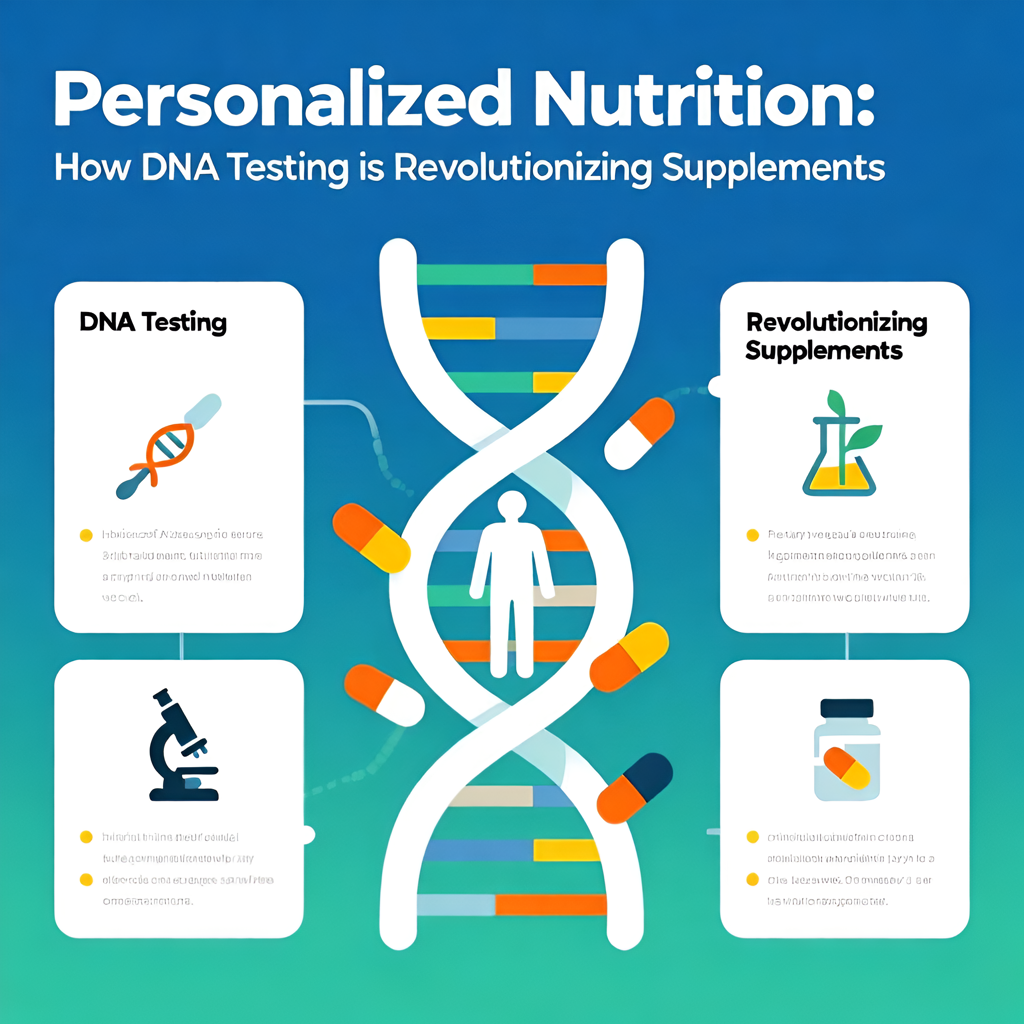
Supplements can now be tailored to your individual genetic makeup, thanks to advancements in DNA testing. This innovative approach allows you to understand how your body processes various nutrients and supplements, paving the way for more effective health strategies. By leveraging your unique genetic information, you can optimize your supplement routine, ensuring that you are getting the most out of your investments. In this guide, you’ll explore how DNA testing can personalize your nutrition and enhance your overall wellness.
Key Takeaways:
- DNA testing enables individuals to receive tailored nutritional recommendations based on their unique genetic makeup.
- Personalized supplements can improve health outcomes by addressing specific nutrient deficiencies or sensitivities identified through genetic analysis.
- The integration of technology in nutrition empowers consumers to make informed dietary choices that align with their genetic predispositions.
- This approach can enhance the effectiveness of supplementation, leading to better results in areas such as weight management and overall wellness.
- As the personalized nutrition market grows, it emphasizes the importance of individual variation in dietary needs, moving away from the one-size-fits-all model.
Mapping Your Genetic Blueprint
Your genetic blueprint offers insights that can significantly alter how you approach nutrition. By analyzing your DNA, you gain a clearer understanding of how your body processes macronutrients, vitamins, and minerals. This allows you to make informed dietary choices tailored to your unique genetic profile, maximizing your health potential and overall well-being.
Unlocking the Code: How DNA Influences Nutritional Needs
Your DNA governs your body’s responses to various nutrients, affecting everything from metabolism to the way you absorb vitamins. Personalized nutrition strategies, grounded in genetic insights, enable you to optimize your diets, like increasing protein intake if your genes indicate a higher protein requirement for muscle synthesis or focusing on specific vitamins where you may be naturally deficient.
Key Genetic Markers Impacting Dietary Preferences
Certain genetic markers have been identified as influential in determining your dietary preferences and tolerances, including those linked to taste sensitivity, food intolerances, and fat metabolism. For instance, variants in the TAS2R38 gene might make you more sensitive to bitter compounds, potentially impacting your preferences for vegetables like kale or Brussels sprouts. Understanding these markers allows you to tailor your diet more effectively to align with your biological inclinations.
Research has highlighted several genetic variants, such as those affecting the FTO gene, which can influence appetite regulation and fat storage. Variations in the MTHFR gene can indicate your need for specific forms of folate in your diet. These insights enable you to bypass trial and error when choosing foods and dietary supplements, leading you to a more satisfying and nutritionally beneficial eating plan tailored to your unique genetic signals.

The Evolution of Supplements: A Personalized Approach
As the supplement industry has evolved, there has been a pronounced shift toward personalized solutions. Gone are the days of one-size-fits-all vitamins; today’s consumers demand tailored products that align with their unique genetic makeup and lifestyle choices. By utilizing advancements in DNA testing, companies can offer formulations that not only target specific deficiencies but also integrate individual dietary preferences and sensitivities, ensuring greater effectiveness and consumer satisfaction.
Comparing Traditional vs. DNA-Driven Supplements
Comparison of Supplement Approaches
| Traditional Supplements | DNA-Driven Supplements |
|---|---|
| Generic formulations for broad audiences | Custom tailored based on individual genetic profiles |
| May not address specific health concerns | Targets specific deficiencies and risks based on DNA |
| Standard dosage for everyone | Doses are tailored to your genetic and lifestyle needs |
Analyzing Consumer Trends in Personalized Nutrition
The interest in personalized nutrition is gaining momentum, with studies showing that nearly 60% of consumers are willing to invest in customized supplements. This desire stems from a growing awareness about the importance of individual health profiles in achieving optimal wellness. Brands that embrace this shift are not just selling products; they are fostering a community around health empowerment and informed choices. Consumers are increasingly seeking transparency and personalization in their dietary supplements, preferring brands that provide insight into how genetic factors influence health outcomes.
Research indicates that 65% of millennials prioritize personalized nutrition options, driving brands to innovate rapidly. With an increasing number of people seeking diets that fit their unique biology, companies are responding with offerings that utilize DNA insights. Consumers appreciate the added layer of personalization that informs every choice they make about supplements, nutrition, and overall health. As awareness grows and technology improves, the market is likely to pivot even further toward personalized solutions, making it vital for brands to adapt and cater to these evolving preferences.
The Science Behind Genetic Testing and Nutritional Optimization
Genetic testing is paving the way for tailored nutritional strategies, allowing you to understand how your unique genetic makeup influences nutrient metabolism, absorption, and needs. By analyzing specific genes, particularly those related to nutrient utilization, you can uncover insights into your body’s specific dietary requirements. This scientific approach empowers you to make informed decisions regarding supplement intake, ultimately enhancing your overall health and well-being.
Exploring the Link Between SNPs and Supplement Efficacy
Single nucleotide polymorphisms (SNPs) help explain differences in how individuals respond to dietary supplements. Certain SNPs can affect enzyme activity, nutrient absorption, or inflammation pathways, influencing how effectively a supplement works for you. By identifying these genetic variations, you can make precise decisions about which supplements are most beneficial for your health, personalizing your approach to nutrition.
The Role of Microbiome in Personalized Nutritional Strategies
Your gut microbiome plays a pivotal role in determining how well you digest and utilize nutrients from food and supplements. Factors like diet, lifestyle, and environmental exposure create a unique microbiome profile that interacts with genetics to influence your health outcomes. By assessing your microbiome composition, you can tailor your nutritional strategy, optimizing your supplement regimen for enhanced efficacy and overall wellness.
Research shows that a healthy microbiome can improve nutrient absorption, strengthen the immune system, and reduce the risk of chronic diseases. For instance, individuals with diverse gut bacteria may experience better vitamin D metabolism, leading to increased calcium absorption and stronger bones. Tailoring your nutrition based on microbiome analysis allows for a comprehensive approach, ensuring that your body can maximize the benefits of supplements while also fostering a balanced gut environment. Adapting your supplement protocol according to your microbiome’s specific needs can lead to more effective health outcomes and personalized wellness journeys.
Practical Steps: How to Incorporate DNA Insights into Your Routine
Integrating insights from your DNA into your daily routine involves several practical steps, starting with selecting a reputable testing service that aligns with your health goals. Once you’ve received your results, you can begin making informed decisions about your nutrition and supplement choices. Regularly revisiting your dietary habits in light of your genetic predispositions ensures that your approach remains relevant and effective as your lifestyle and health needs evolve.
Choosing the Right DNA Testing Service
Identifying the right DNA testing service is key to unlocking the benefits of genetic insights. Look for companies that offer specific nutritional analyses, clear reporting, and reputable backgrounds. Services like 23andMe and Nutrigenomix provide comprehensive profiling on how your genes influence nutrient absorption, metabolism, and dietary recommendations. Reading reviews and checking for certifications can further guide your choice.
Interpreting Your Results for Everyday Decisions
Understanding how to apply your genetic test results can be a game-changer in your health journey. Focus on actionable insights, such as which vitamins and minerals you may benefit from most or foods you might need to limit. For instance, if your results show a predisposition for lactose intolerance, you can easily adjust your dairy intake, ultimately enhancing your digestive health and well-being.
When interpreting your results, consider both genetic predispositions and lifestyle factors. Some tests may reveal sensitivities to certain food groups or variations in vitamin metabolism, allowing you to tailor your diet to enhance nutrient absorption. You might find you have a genetic tendency towards lower levels of Omega-3 fatty acids; therefore, integrating fatty fish or flaxseed oil into your meals becomes a strategic choice. The key is blending science with practical dietary adjustments, creating a roadmap for a healthier, more personalized nutrition plan.
Ethical and Privacy Considerations in Genetic Nutrition
As personalized nutrition continues to gain traction, ethical and privacy considerations surrounding DNA testing become increasingly critical. The collection and analysis of genetic data raise questions about consent, ownership, and potential misuse. You must stay informed about how companies manage your genetic information and ensure that necessary safeguards are in place to protect your privacy while enjoying the benefits of tailored supplement regimens.
Navigating Data Privacy Concerns in DNA Testing
Understanding data privacy concerns associated with DNA testing is crucial for you as a consumer. Companies should transparently outline their data usage policies, informing you about what data is collected, how it is stored, and whether it will be shared with third parties. Look for platforms that offer robust encryption and comply with privacy regulations to enhance your security and alleviate fears regarding data breaches or unauthorized access to your genetic information.
The Future of Personalized Nutrition: Balancing Innovation and Ethics
The future landscape of personalized nutrition hinges on a delicate balance between innovation and ethical practices. As advancements in genome sequencing and artificial intelligence allow for increasingly refined dietary recommendations, your trust in these systems remains paramount. Companies must prioritize ethical considerations, ensuring that their use of genetic data is not only transparent but also aligned with societal values. Engaging in open dialogues around these issues can foster a more secure environment for you to reap the benefits of personalized nutrition without compromising your privacy or ethical standards.
Diving deeper into the future of personalized nutrition reveals that maintaining this balance is crucial for long-term success and consumer acceptance. As technology evolves, you can expect to see more rigorous ethical frameworks being established within the industry. These initiatives may include partnerships between genetic testing companies and ethical oversight boards, ensuring that new products and services align with public interests. Moreover, as consumers advocate for their rights, companies are likely to improve their data handling practices and prioritize transparent communication. This harmonious evolution can pave the way for a future where you can confidently embrace personalized nutrition while knowing your genetic information is treated with respect and care.

Final Words
The integration of DNA testing into personalized nutrition is transforming the way you approach supplements. By understanding your unique genetic makeup, you can make informed decisions about which vitamins and minerals will most benefit your body. This not only optimizes your health but also ensures that your supplement regimen aligns with your specific needs. Embracing this innovative approach empowers you to take control of your well-being and achieve your health goals more effectively than ever before.
FAQ
Q: How does DNA testing influence personalized nutrition?
A: DNA testing analyzes specific genetic markers that can provide insights into how an individual’s body processes nutrients, reacts to various foods, and metabolizes vitamins and minerals. This information helps create tailored nutrition plans and supplement regimens that align with one’s unique genetic profile, leading to optimized health outcomes.
Q: What types of supplements can be personalized through DNA testing?
A: Various supplements, including vitamins, minerals, probiotics, and herbal substances, can be customized based on DNA test results. For instance, certain genetic variations may indicate a higher need for specific vitamins such as Vitamin D or B12, allowing individuals to prioritize supplementing those specific nutrients for better health and wellness.
Q: Are the results from DNA testing for nutrition reliable?
A: The reliability of DNA testing for personalized nutrition largely relies on the quality of the testing method and the interpretation of the results. When conducted by reputable companies that follow scientific methodologies and have a strong database of research, these tests can provide valuable insights. However, it is important to combine findings with guidance from healthcare professionals for the best outcomes.
Q: Can personalized nutrition through DNA testing help with weight management?
A: Yes, personalized nutrition can assist with weight management. By understanding one’s genetic predispositions related to metabolism, appetite control, and fat storage, individuals can adopt dietary strategies that support their unique body chemistry. Tailored supplement protocols can further enhance metabolism and energy levels, contributing to effective weight management.
Q: Is personalized nutrition only beneficial for athletes and bodybuilders?
A: No, personalized nutrition is beneficial for everyone, not just athletes and bodybuilders. People of all activity levels can gain from this approach. Tailoring nutrition and supplements to individual genetic profiles can enhance overall health, improve energy levels, support immune function, and help manage chronic conditions, making it applicable to a broad audience.