

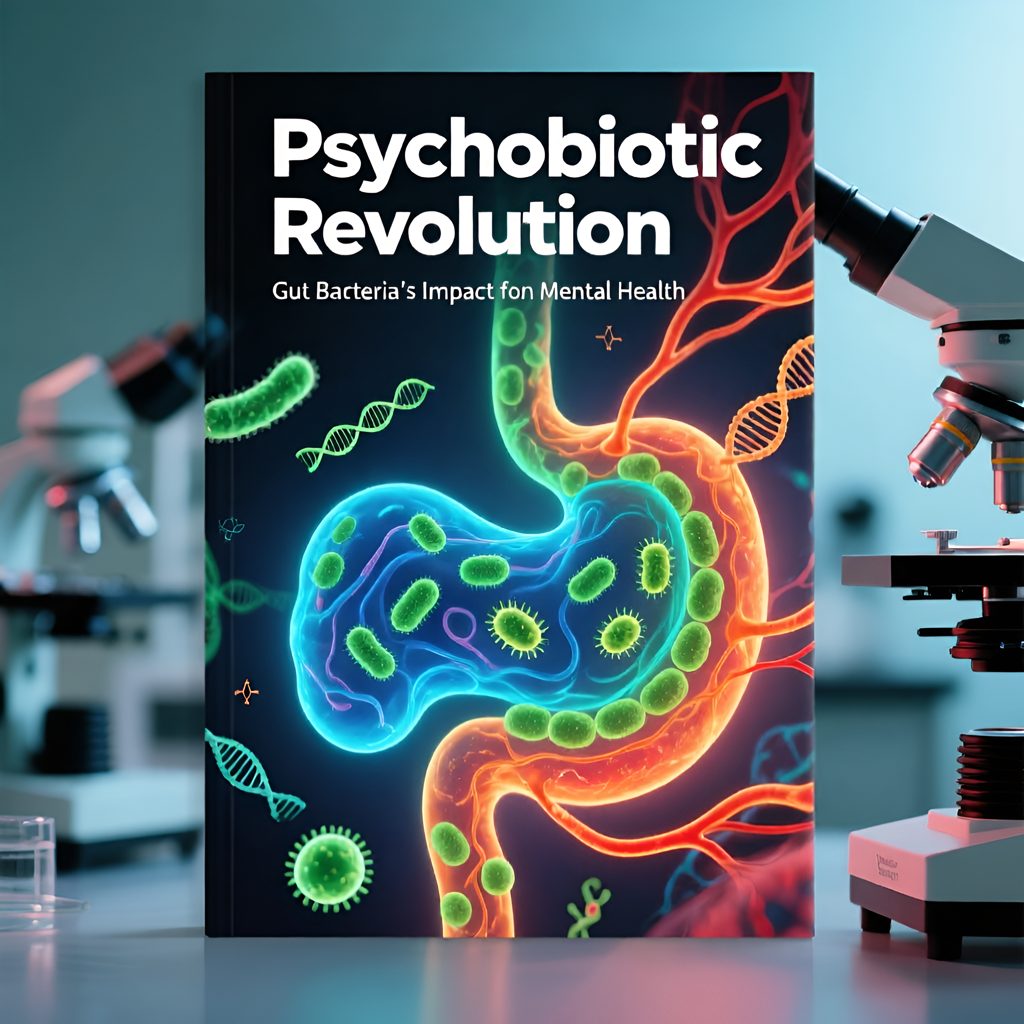
Gut health plays a pivotal role in your mental well-being, and recent studies have revealed the profound connection between gut bacteria and mental health outcomes. By understanding the concept of psychobiotics, you can harness the power of your microbiome to improve mood, reduce anxiety, and enhance overall cognitive function. This guide will explore how your gut flora influences your brain, providing you with actionable insights to optimize your mental health through dietary and lifestyle changes. Join us as we investigate into the fascinating world of psychobiotics and their transformative effects on your mind.
Key Takeaways:
- The concept of psychobiotics refers to probiotics that can influence mental health and emotional well-being through gut microbiota.
- Research has shown a strong connection between gut health and the brain, highlighting the gut-brain axis as a vital pathway for mental health interventions.
- Consuming fermented foods and probiotic supplements may enhance mood, reduce anxiety, and combat symptoms of depression in some individuals.
- Dietary adjustments, such as increasing fiber intake and minimizing processed foods, can support a healthier gut microbiome and improve mental health outcomes.
- Further studies are necessary to explore specific strains of gut bacteria and their unique effects on various mental health disorders.
The Gut-Brain Connection: Exploring the Unseen Link
Your gut and brain maintain a continuous two-way communication, known as the gut-brain axis. This connection is facilitated by various pathways, including the vagus nerve and neurotransmitter signaling. When your gut health is compromised due to an imbalance in gut microbiota, it’s not just your digestion that suffers—the repercussions can extend to mood, anxiety levels, and cognitive functions. Understanding this intricate relationship allows you to appreciate how dietary choices and lifestyle can profoundly impact your mental well-being.
The Role of Microbiota in Central Nervous System Function
The microbiota in your gut play a significant role in influencing the central nervous system (CNS) function. These tiny organisms produce metabolites that can affect brain chemistry, creating a biochemical dialogue between the gut and the brain. For example, certain gut bacteria can generate short-chain fatty acids that promote neuroprotection, helping to support your cognitive health. A balanced microbiome fosters clearer thinking and emotional stability by directly affecting your CNS.
How Gut Health Influences Neurotransmitter Production
Your gut health directly influences the production of neurotransmitters, which are vital for proper brain function and mood regulation. For instance, approximately 90% of serotonin—often referred to as the “feel-good” neurotransmitter—is produced in the gut. Diverse gut bacteria assist in synthesis and modulation, impacting your emotional state, sleep quality, and overall mental health. An imbalance in gut microbiota can hinder serotonin production, potentially leading to anxiety and depression.
Unraveling the Psychobiotic Phenomenon: Probiotics and Mental Clarity
Emerging research reveals a fascinating link between specific strains of probiotics, called psychobiotics, and enhanced mental clarity. These beneficial bacteria not only improve gut health but have also been shown to influence mood and cognitive function. By modulating the gut-brain axis, psychobiotics may play a vital role in alleviating anxiety and depression, providing you with clearer thinking and improved emotional resilience. Incorporating these probiotics into your diet could be a game-changer for your mental wellness journey.
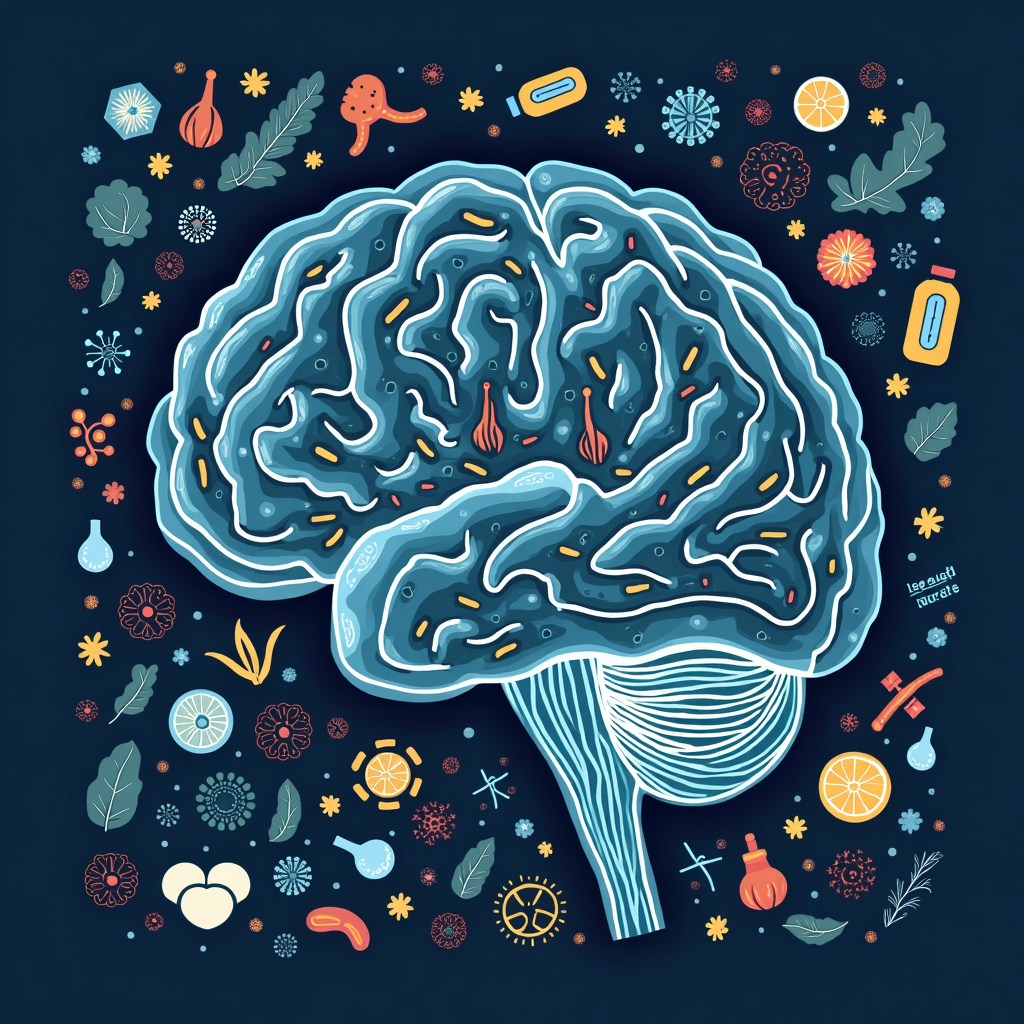
What Are Psychobiotics? Defining the New Frontier
Psychobiotics are a novel category of probiotics specifically targeting mental health through their influence on the gut microbiome. These live microorganisms can positively affect your mental state by producing neurotransmitters like serotonin and cognitive-enhancing compounds. As research expands in this area, psychobiotics represent a groundbreaking approach to treating not just gastrointestinal issues, but also mood disorders and cognitive impairments.
The Evidence: Clinical Trials and Their Implications for Mental Health
Clinical trials have begun to illuminate the efficacy of psychobiotics in enhancing mental health outcomes. Studies indicate that specific strains such as Lactobacillus rhamnosus and Bifidobacterium longum can significantly reduce symptoms of anxiety and depression. For instance, one trial involving subjects with generalized anxiety disorder showed a remarkable 40% reduction in anxiety levels following a 30-day regimen of targeted psychobiotics. These findings pave the way for integrating psychobiotics in therapeutic settings, offering a promising adjunct or alternative to traditional mental health treatments.
As the body of evidence grows, more targeted research is being conducted to understand the specific mechanisms by which psychobiotics influence mental clarity and emotional regulation. One such study examined the role of Lactobacillus plantarum in improving emotional well-being among individuals with mild depression, revealing that those who consumed the probiotic reported fewer negative emotions and heightened positive feelings. This growing data underscores the need for further exploration, as psychobiotic interventions could offer new hope for those seeking sustainable mental health solutions through dietary modifications and lifestyle changes.
Microbiome Mapping: Tailoring Treatments for Mental Wellness
Understanding your microbiome provides a path to personalized mental health treatments. By identifying the unique composition of bacteria in your gut, researchers can devise tailored interventions that enhance emotional well-being. This approach considers your specific microbiome profile, leading to customized dietary recommendations, targeted probiotic therapies, or lifestyle adjustments, all aimed at optimizing your mental health.
Personalized Healthcare: The Future of Psychobiotics
As research progresses, the vision of personalized healthcare through psychobiotics emerges. By analyzing individual gut microbiomes, healthcare providers can pinpoint effective psychobiotic treatments that resonate best with your unique needs. This personalized approach has the potential to improve treatment efficacy for mood disorders, anxiety, and stress, empowering you with tailored solutions that foster mental wellness.
Techniques for Mapping the Gut Microbiome Effectively
Bacterial communities in your gut can be analyzed using advanced sequencing technologies, such as 16S rRNA gene sequencing. These methods help identify specific microbial populations, revealing what thrives within your digestive system. More sophisticated techniques, including metagenomics and metabolomics, can further elucidate the functional capabilities of your gut bacteria, holding promise for deeper insights into the interplay between your microbiome and mental health.
To achieve accurate and comprehensive mapping of your gut microbiome, researchers rely on a combination of techniques. Shotgun metagenomic sequencing provides insights into the entirety of microbial DNA present, surpassing traditional methods that only analyze specific gene markers. Additionally, metabolomic profiling allows scientists to measure metabolic byproducts produced by gut bacteria, which can influence brain activity and mood. The integration of these methodologies can yield robust data, guiding tailored psychobiotic interventions that address your individual mental health challenges. By embracing both the genetic and metabolic facets of your gut flora, the scientific community aims to forge a more holistic understanding of the gut-brain axis.
Integrating Gut Health into Holistic Mental Health Strategies
Incorporating gut health into a holistic mental health strategy offers a more comprehensive approach to well-being. By addressing both mental and physical aspects, you can create a synergistic effect that enhances overall emotional resilience. Emphasizing personalized dietary, lifestyle, and mindfulness practices can lead to lasting benefits. Adopting a multi-faceted strategy empowers you to take control of your mental health, guided by emerging science that recognizes the significant role of the gut-brain axis.
Dietary Approaches: Foods that Feed Your Gut and Brain
Your diet plays a pivotal role in nurturing your gut bacteria and mental health. Incorporating a variety of fermented foods, such as yogurt, kefir, and sauerkraut, along with high-fiber fruits and vegetables, promotes gut diversity. Foods rich in omega-3 fatty acids, like salmon and walnuts, can also enhance brain function. A balanced diet not only fuels your body but also supports the intricate gut-brain connection, reinforcing emotional stability.
Lifestyle Factors: Stress Management and Its Influence on Microbiota
Managing stress is vital for maintaining a healthy microbiome, as chronic stress negatively impacts gut bacteria balance. Regular mindfulness practices, such as meditation and yoga, can counteract stress-induced microbiota changes. Engaging in physical activity promotes the growth of beneficial bacteria, while adequate sleep also supports immune function and gut health. Assume that integrating these lifestyle changes will dramatically improve your mental clarity and emotional well-being.
- Yoga and meditation can reduce cortisol levels, fostering a healthier gut environment.
- Regular exercise encourages microbiome diversity and reduces anxiety levels.
- Adequate sleep aids in the recovery of both brain function and gut health.
Stress management not only benefits your mental health but also supports the microbiome’s well-being. Elevated stress hormones can lead to dysbiosis, where bad bacteria proliferate, altering your mood and cognitive function. Conversely, practices like deep breathing and daily walks can enhance gut flora. These changes in your lifestyle will facilitate positive shifts in mood and cognitive performance. Assume that adopting stress-reduction strategies will lead to a more balanced microbiome and improve your overall emotional landscape.
- Mindful breathing exercises can be incorporated into your daily routine to lower stress.
- Engaging in social activities enhances emotional support and reduces feelings of loneliness.
- Establishing a regular sleep schedule can improve both mood and resilience to stress.
The Ethical Frontier: Navigating Challenges in Psychobiotic Research
As research into psychobiotics progresses, ethical dilemmas emerge that demand careful consideration. Balancing the potential benefits for mental health with the risks of commercialization presents challenges for scientists and consumers alike. Questions of accessibility, efficacy, and the possible exploitation of vulnerable populations must be addressed to ensure that advancements benefit everyone, not just a privileged few. Establishing ethical guidelines will be pivotal in advancing the field responsibly and sustainably.
Regulatory Hurdles and Quality Control in Psychobiotic Products
Regulatory frameworks currently lag behind the rapid evolution of psychobiotic research and product development. Many companies marketing gut health products may not adhere to stringent quality control measures, raising concerns over consumer safety. Ensuring that psychobiotics meet rigorous standards will be necessary in establishing trust in these products and fostering a market grounded in scientific evidence.
Public Perception and Misconceptions About Gut Health
The burgeoning interest in gut health has created a minefield of misconceptions and misinformation. Many individuals equate gut health solely with diet and probiotics, overlooking the intertwined complexities of gut-brain interactions. This oversimplification can lead to misguided choices, such as relying on over-the-counter supplements without understanding their true effects on mental health. Addressing these misconceptions is vital as we advance in understanding the gut’s role in psychological well-being.
While awareness of gut health is on the rise, significant gaps in knowledge persist. For instance, some believe that by merely taking probiotics, they can resolve intricate mental health issues, which lacks scientific backing. The relationship between gut bacteria and your mental state is nuanced, involving multiple factors like diet, lifestyle, and genetics. Engaging with credible information sources will empower you to make informed decisions about gut health and its implications for mental wellness, allowing you to navigate this evolving landscape more effectively.
Summing up
So, as you explore the emerging field of psychobiotics, it’s necessary to understand how gut bacteria influence your mental health. Research indicates that these microorganisms can significantly affect mood, anxiety, and overall cognitive function. By nurturing your gut health through diet and lifestyle changes, you may enhance your mental well-being. Embracing this psychobiotic revolution offers promising insights into achieving a deeper connection between your gut and mind, enabling you to take proactive steps towards a healthier, more balanced life.
FAQ
Q: What are psychobiotics, and how do they affect mental health?
A: Psychobiotics are a specific class of probiotics that have a positive impact on mental health. They are live microorganisms that, when ingested in adequate amounts, can influence the gut-brain axis—a complex communication system linking the gastrointestinal tract and the brain. Studies have shown that these beneficial bacteria can help alleviate symptoms of anxiety, depression, and stress by producing neurotransmitters and anti-inflammatory substances that can improve mood and cognitive function.
Q: How does the gut microbiome influence mood and behavior?
A: The gut microbiome plays a significant role in regulating mood and behavior through various pathways. Gut bacteria can produce neurotransmitters, such as serotonin and GABA, which are necessary for maintaining emotional balance. Additionally, the microbiome can influence the immune system and inflammation levels, both of which can affect mental health. The gut-brain axis allows for signals to be sent between the gut and the brain, meaning that an imbalance in gut bacteria can directly impact emotional well-being.
Q: What types of foods can help improve gut health and enhance the effects of psychobiotics?
A: To support gut health and enhance the benefits of psychobiotics, it is recommended to consume a diet rich in prebiotics and probiotics. Foods high in prebiotics include garlic, onions, bananas, asparagus, and whole grains, which help nourish beneficial gut bacteria. Fermented foods rich in probiotics, such as yogurt, kefir, sauerkraut, and kimchi, can also be beneficial. A well-balanced diet combined with fiber-rich foods can create a favorable environment for psychobiotics to thrive.
Q: How can someone incorporate psychobiotics into their daily routine?
A: Incorporating psychobiotics into your daily routine can be achieved through dietary changes or supplementation. Consuming probiotic-rich foods regularly is an excellent way to introduce these beneficial bacteria into your system. In addition, there are various probiotic supplements on the market that contain specific strains known for their mental health benefits. It’s advisable to consult with a healthcare professional before starting any new supplement regimen, especially if you have existing health concerns.
Q: Are there any potential side effects or concerns associated with psychobiotic use?
A: While most people tolerate psychobiotics well, some individuals may experience mild side effects, such as gas, bloating, or digestive discomfort, particularly when first introducing them to the diet. It is necessary to start with small amounts and gradually increase intake to allow the body to adjust. Additionally, those with compromised immune systems or severe gastrointestinal issues should seek medical advice before using psychobiotics, as they may not be suitable or could necessitate specific precautions.