


Many people are unaware of the vital roles that prebiotics, probiotics, and postbiotics play in maintaining your gut health and overall well-being. Understanding these components is vital for optimizing your digestive system, boosting your immune response, and enhancing your overall health. This informative blog post will guide you through the definitions, benefits, and applications of pre-, pro-, and post-biotics, helping you make informed choices for your health and providing complete protection for your body. Dive in to discover how these powerful nutrients can transform your health journey.
Key Takeaways:
- Prebiotics serve as food for beneficial gut bacteria, enhancing their growth and activity.
- Probiotics are live microorganisms that can provide health benefits when consumed in adequate amounts.
- Postbiotics refer to bioactive compounds produced by probiotics during fermentation, which can contribute to gut health.
- A complete approach to gut health includes a balance of pre-, pro-, and post-biotics for optimal functioning.
- Protection of gut health is vital for overall well-being, influencing digestion, immunity, and mental health.
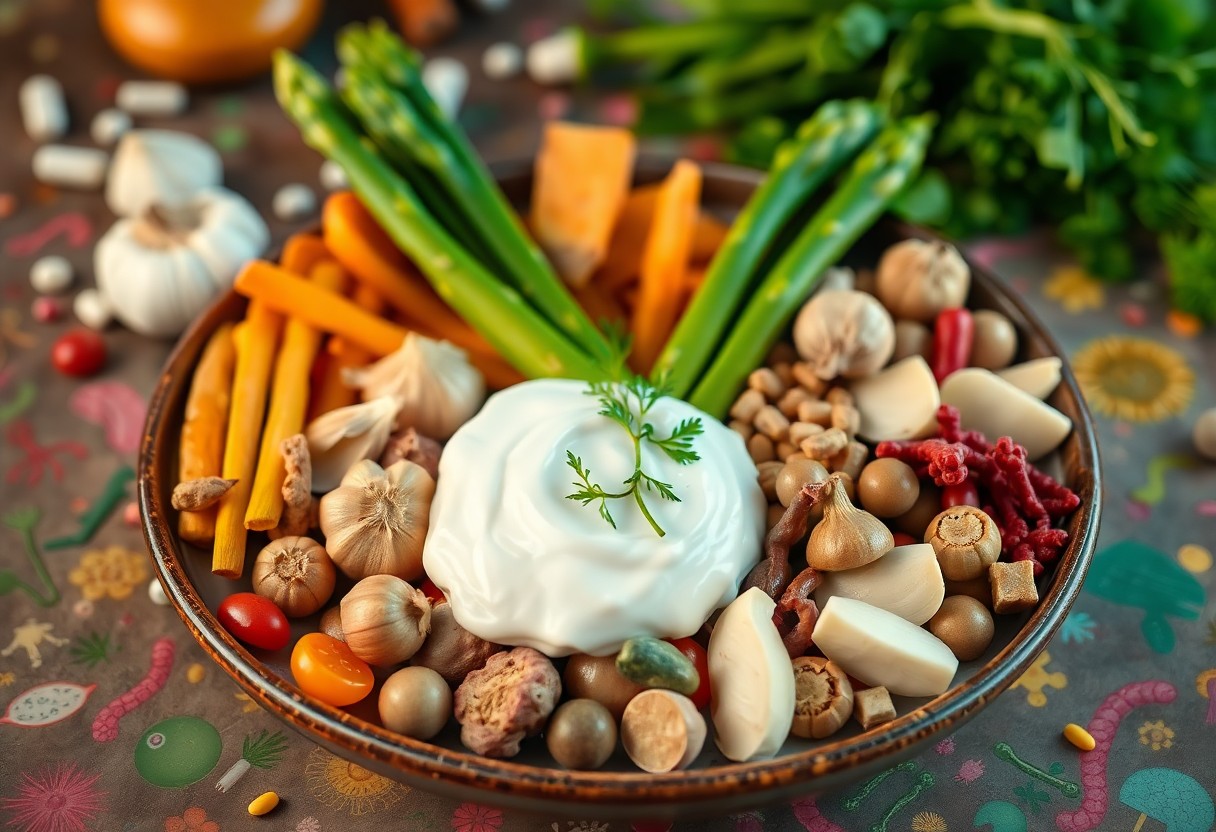
The Role of Prebiotics: Fueling Microbial Diversity
What Are Prebiotics and Why They Matter
Prebiotics are non-digestible fibers that serve as food for your beneficial gut bacteria. By nourishing these microorganisms, they promote a diverse and balanced microbiome, important for optimal digestion, immune function, and overall health. As these bacteria thrive, they produce short-chain fatty acids that can improve gut health, enhance nutrient absorption, and even influence mood and mental clarity. A thriving microbiome contributes to reduced inflammation, aiding in better health outcomes over time.
Sources of Effective Prebiotics
Effective prebiotics can be found in a variety of foods that you might already enjoy. Foods like garlic, onions, leeks, asparagus, bananas, and whole grains such as barley and oats are rich in prebiotic fibers. Additionally, chicory root and Jerusalem artichokes are excellent sources, often included in dietary supplements. Consuming a range of these foods regularly strengthens your gut health and microbial diversity.
For a robust prebiotic intake, think about incorporating various fruits and vegetables into your meals. Garlic and onions can easily enhance many savory dishes, while bananas provide a sweet snack option that supports your gut. Whole grains can be used as base for many meals; consider quinoa or barley in salads. Diversifying these sources can help ensure a steady supply of nourishment for your gut bacteria, fostering a dynamic and thriving microbial community that supports your overall well-being.
Probiotics Unveiled: Live Cultures for Gut Health
Delving into the world of probiotics reveals their significance as live microorganisms that can confer health benefits to you, particularly regarding gut health. These beneficial bacteria play a pivotal role in maintaining your digestive balance, enhancing nutrient absorption, and fortifying your immune system. Probiotics can be found in various fermented foods, such as yogurt, kefir, and sauerkraut, or in supplement form, offering you multiple avenues to improve your gut microbiome.
The Science Behind Probiotics
Probiotics are typically strains of bacteria such as Lactobacillus and Bifidobacterium that inhabit your gut. These microorganisms work by competing with harmful pathogens, producing substances that inhibit their growth, and stimulating your immune response. Scientific studies indicate that the right strains can reduce gastrointestinal issues, alleviate inflammatory conditions, and even enhance mood by impacting the gut-brain axis, shedding light on the profound interconnectedness of your gut health and overall well-being.
Benefits and Best Practices for Consumption
Integrating probiotics into your daily routine can yield numerous benefits, including improved digestion, enhanced gut barrier function, and reduced incidence of gastrointestinal disorders. To maximize these effects, aim for a diet rich in fermented foods, and consider supplements that contain diverse strains. Consistent intake is key, as daily consumption helps maintain balance in your gut microbiome. Additionally, pairing probiotics with prebiotic fibers can optimize their effectiveness, creating a synergistic effect that bolsters your overall gut health.
Consuming probiotics regularly can lead to significant improvements in your digestive health and overall well-being. Research has shown that certain probiotic strains can alleviate symptoms of Irritable Bowel Syndrome (IBS) in approximately 60% of individuals, and benefit those suffering from diarrhea or constipation. To enhance the effectiveness of probiotics, look for supplements that list specific strains backed by clinical studies and aim for at least 10 billion CFUs (colony-forming units) per serving. Including prebiotic-rich foods like garlic, leeks, and bananas alongside your probiotics creates an environment where these beneficial bacteria can thrive, ultimately supporting a balanced gut microbiome.
Postbiotics: The Unsung Heroes of Microbiome Support
Often overlooked in discussions about gut health, postbiotics play a significant role in supporting your microbiome. These bioactive compounds, produced during the fermentation process by probiotics, offer various health benefits without requiring live microorganisms. By enhancing intestinal barrier function and modulating immune responses, postbiotics contribute to overall health and wellbeing. As research continues, their potential as therapeutic agents becomes increasingly recognized, making them vital to your microbial health strategy.
Defining Postbiotics and Their Functionality
Postbiotics are the metabolic byproducts generated by probiotic bacteria during food fermentation. These compounds include short-chain fatty acids, peptides, and other important molecules that provide protective effects on your gut. They work by reinforcing gut barrier integrity, influencing the gut-brain axis, and promoting a balanced immune system. By incorporating postbiotics into your diet, you can enhance the positive effects of probiotics and further support your gut microbiome.
Research Highlights: Impact on Health
Emerging research highlights the far-reaching impact of postbiotics on your health. Studies indicate that they may play a role in managing conditions such as irritable bowel syndrome (IBS) and inflammatory bowel disease (IBD) by exerting anti-inflammatory effects. Additionally, specific postbiotic strains have shown promise in improving metabolic health, helping to regulate blood sugar levels and enhance lipid profiles. With a growing body of evidence, postbiotics are becoming a focal point in functional food development and gut health interventions.
A comprehensive review of recent studies illustrates that postbiotics not only aid in digestive health but also contribute to mental wellbeing by positively influencing the gut-brain connection. For instance, a 2021 study found that participants consuming postbiotic-enriched foods experienced reduced anxiety and improved mood, highlighting their potential impact beyond just gastrointestinal benefits. As researchers examine deeper into the intricate relationship between postbiotics and overall health, the findings continue to support the idea that these unsung heroes deserve a prominent place in your health regimen.
Synergistic Effects: The Power of Combining Pre-, Pro-, and Post-biotics
Combining pre-, pro-, and post-biotics harnesses their synergistic effects, enhancing gut health and overall wellness. Prebiotics provide nourishment for beneficial bacteria, while probiotics introduce live microbes that populate your gut. Postbiotics then equip your body with metabolites that assist in immune functions and enhance gut barrier integrity. This triad works together to create a balanced microbiome, ultimately promoting digestion, nutrient absorption, and long-term health benefits.
How They Interact and Enhance Each Other
Each component of the pre-, pro-, and post-biotic spectrum interacts in ways that amplify their individual benefits. Prebiotics serve as a substrate that supports probiotic growth, while probiotics produce postbiotics as metabolic by-products. For instance, when you consume prebiotic-rich foods, you’re not just fueling the friendly bacteria—you’re helping them flourish, which in return strengthens the postbiotic production, further benefiting your gut health.
Practical Applications for Optimal Health
Incorporating a well-rounded approach to your diet can significantly enhance your gut health. You might consider consuming foods high in prebiotics, like garlic and onions, alongside probiotic-rich products, such as yogurt or fermented foods. Following this, being aware of supplements that offer postbiotics can round out your strategy, ensuring that you take full advantage of these combined benefits for digestive and overall health.
For practical applications, aim to include a diverse array of foods that deliver the full spectrum of pre-, pro-, and post-biotics. For example, start your day with a bowl of oatmeal topped with berries and yogurt; the oats supply prebiotics, while the yogurt offers probiotics. Additionally, fermented foods like kimchi or kombucha introduce beneficial microbes, which will interact with your body and produce postbiotics. These choices collectively bolster your gut health, helping to nourish and protect your microbiome, thus facilitating a vibrant, resilient system prepared to support your overall health.
Protecting Your Microbiome: Lifestyle Factors and Best Practices
Nurturing your microbiome involves adopting lifestyle factors and best practices that ensure its protection. Implement strategies that emphasize well-being and promote microbial diversity. Aim to cultivate a thriving gut ecosystem with the following practices:
- Maintain a balanced diet rich in fiber and fermented foods.
- Manage stress through regular mindfulness or physical activity.
- Ensure adequate sleep for optimal gut health.
- Limit the use of antibiotics and opt for natural remedies when possible.
- Stay hydrated and minimize processed food intake.
Any small adjustment in these areas can significantly impact your microbial health and overall vitality.
Dietary Choices That Boost Biotic Health
A diet abundant in fruits, vegetables, whole grains, and fermented foods is crucial for enhancing biotic health. Including prebiotic-rich foods like garlic, onions, and bananas supports beneficial bacteria, while fermented options like yogurt, kimchi, and kombucha introduce live cultures directly to your gut. This combination fuels a flourishing microbiome, promoting balance and resilience against gut-related issues.
Environmental Considerations for Microbial Resilience
Your surroundings play a pivotal role in microbial health. Exposure to diverse microbes in nature, such as by spending time outdoors, gardening, and even pet ownership, can enhance microbial diversity. Limiting exposure to harsh chemicals in cleaning products and personal care items also significantly contributes to a healthier microbiome. Alternatively, opting for natural and eco-friendly options can help maintain microbial integrity.
Consider how environment shapes your microbiome. For instance, urban living has been associated with reduced microbial diversity compared to rural settings. This disparity highlights the importance of finding ways to expose yourself to a wider range of microorganisms. Regularly engaging in outdoor activities, minimizing chemical exposure, and fostering connections with pets can create a more resilient microbiome, ultimately supporting your health from the inside out.
Conclusion
Ultimately, understanding the roles of pre-, pro-, and post-biotics can greatly enhance your approach to gut health. By incorporating these elements into your diet, you not only support your digestive system but also provide complete protection for your overall health. Paying attention to these components allows you to optimize your wellbeing and foster a balanced microbiome, leading to improved immunity and enhanced vitality.
FAQ
Q: What are prebiotics and how do they benefit gut health?
A: Prebiotics are non-digestible fibers found in certain foods that promote the growth of beneficial bacteria in the gut. They serve as food for probiotics, helping to enhance their effectiveness. By nourishing these good bacteria, prebiotics can improve digestion, boost the immune system, and support overall gut health.
Q: Can you explain what probiotics are and their role in the body?
A: Probiotics are live microorganisms, often referred to as “good” bacteria, that provide health benefits when consumed in adequate amounts. They help maintain a balanced gut microbiota, assist in digestion, and may prevent the growth of harmful bacteria. Probiotics can be found in fermented foods, supplements, and even some dairy products.
Q: What are postbiotics and how do they contribute to health?
A: Postbiotics are byproducts produced by probiotics during fermentation that possess beneficial health effects. These include short-chain fatty acids, enzymes, and other metabolites. Postbiotics promote gut health by reinforcing the gut barrier, enhancing the immune response, and exhibiting anti-inflammatory properties. They represent a newer understanding of gut health management.
Q: How do prebiotics, probiotics, and postbiotics work together for gut health?
A: Prebiotics, probiotics, and postbiotics work synergistically to promote optimal gut health. Prebiotics feed probiotics, helping them thrive and multiply in the digestive system. As probiotics break down prebiotics, they produce postbiotics, which can enhance gut health and provide various benefits, such as improvement in digestion and immune function.
Q: What is meant by the term ‘complete protection’ in relation to these biotics?
A: ‘Complete protection’ refers to the holistic approach of supporting gut health using a combination of prebiotics, probiotics, and postbiotics. This comprehensive strategy aims to reinforce the gut microbiome’s resilience, enhance digestive processes, and protect against harmful pathogens. By utilizing all three components, individuals can optimize their digestive health and overall well-being.