

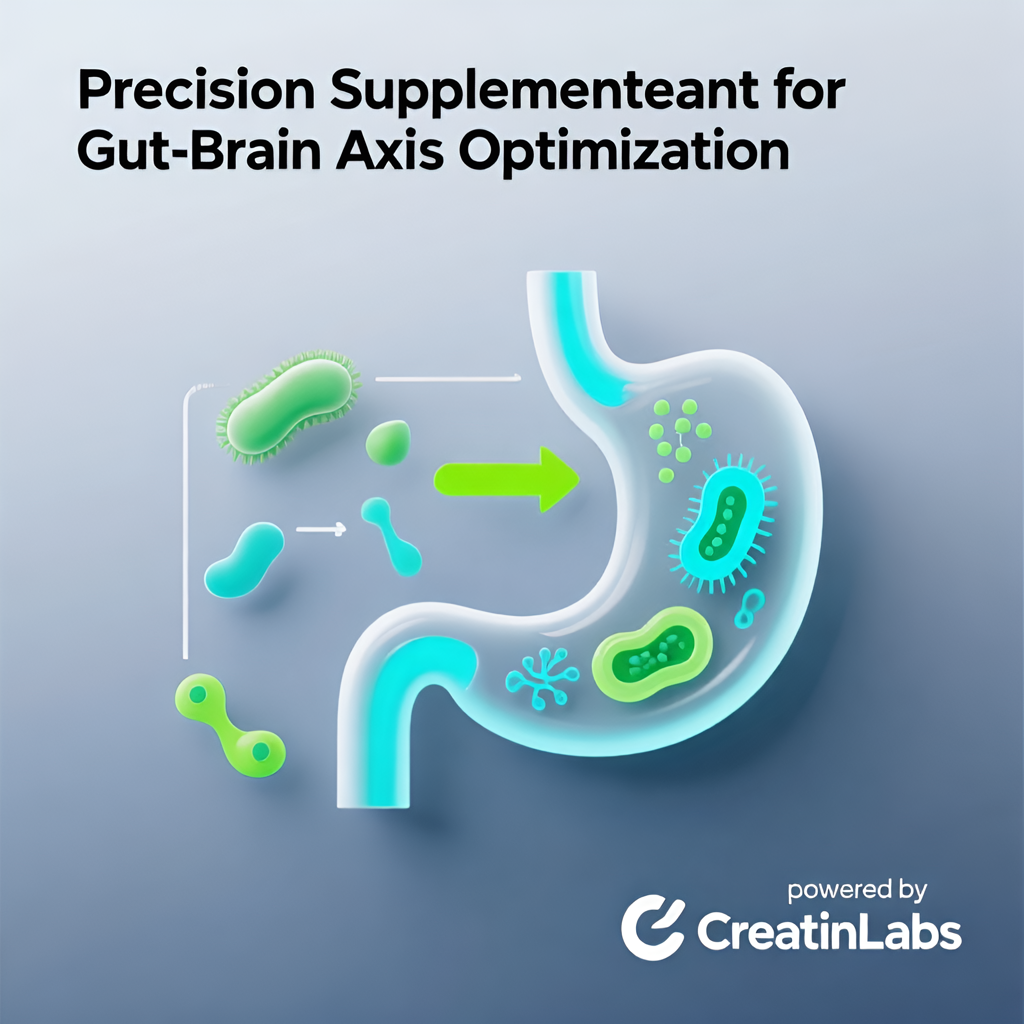
There’s a powerful connection between your gut health and cognitive function, often referred to as the gut-brain axis. In this guide, you’ll discover how precision supplementation can enhance this relationship, leading to improved mental clarity, mood stability, and overall well-being. By understanding your unique needs and leveraging specific nutrients, you can optimize your gut and brain health effectively. Join us as we explore tailored strategies that empower you to take charge of your cognitive and digestive wellness for a balanced life.
Key Takeaways:
- Precision supplementation can enhance gut health, which significantly influences brain function and overall mental wellbeing.
- Specific probiotics and prebiotics are vital in maintaining a balanced gut microbiome, supporting mood regulation and cognitive performance.
- Individual needs vary; tailoring supplement regimens based on genetic, dietary, and lifestyle factors is vital for optimal results.
- Connection between the gut and brain highlights the importance of addressing digestive health to improve mental clarity and emotional stability.
- Regular monitoring and adjustments to supplementation can lead to better outcomes in managing stress, anxiety, and other cognitive challenges.
Gut Microbiome: The Silent Communicator
Your gut microbiome serves as a complex communication network, silently influencing many aspects of your bodily functions—including your mental health. The trillions of bacteria residing in your gut interact with your immune system, hormones, and neurotransmitters, sending signals that can affect your mood, cognition, and overall well-being. This interplay between gut microbes and brain function underscores the importance of maintaining a balanced gut ecosystem for optimal mental clarity and emotional stability.
The Role of Gut Bacteria in Mental Health
Bacteria in your gut contribute significantly to mental health through the production of neurotransmitters, such as serotonin and dopamine. Approximately 90% of serotonin, often called the “feel-good” neurotransmitter, is produced in the gut. Imbalances in gut bacteria can lead to diminished mental health, with studies linking dysbiosis to conditions like depression and anxiety. Optimizing your gut flora can thus play a pivotal role in improving overall mood and cognitive function.

How Gut and Brain Influence Each Other
The relationship between your gut and brain operates through a bidirectional communication system known as the gut-brain axis. This connection involves direct pathways such as the vagus nerve, as well as complex interactions between the microbiome and the central nervous system. Your gut microbiota sends signals to the brain through microbial metabolites, while the brain can influence gut motility and secretion via neurochemical pathways. This intricate feedback loop highlights how changes in your gut health can manifest as shifts in mood, appetite, and cognitive performance.
The dynamic between your gut and brain means that lifestyle choices deeply affect their interaction. For example, consuming a diet rich in fiber supports a diverse microbiome, which in turn can improve your mental clarity and emotional regulation. Conversely, stress can disrupt gut microbiota, potentially leading to mood swings and cognitive decline. By understanding this relationship, you can make informed choices that not only enhance gut health but also optimize brain function—ultimately improving the quality of your life.
Nutrients that Nourish Both Ends
Balancing the nutritional needs of your gut and brain enhances overall well-being. Integrating certain nutrients fosters this connection, improving mood, cognitive function, and digestive health. Opting for a diet rich in vitamins, minerals, fiber, and fermented foods can create a harmonious relationship between your gut and brain, establishing a foundation for a healthy gut-brain axis.
Essential Vitamins and Minerals for Gut-Brain Health
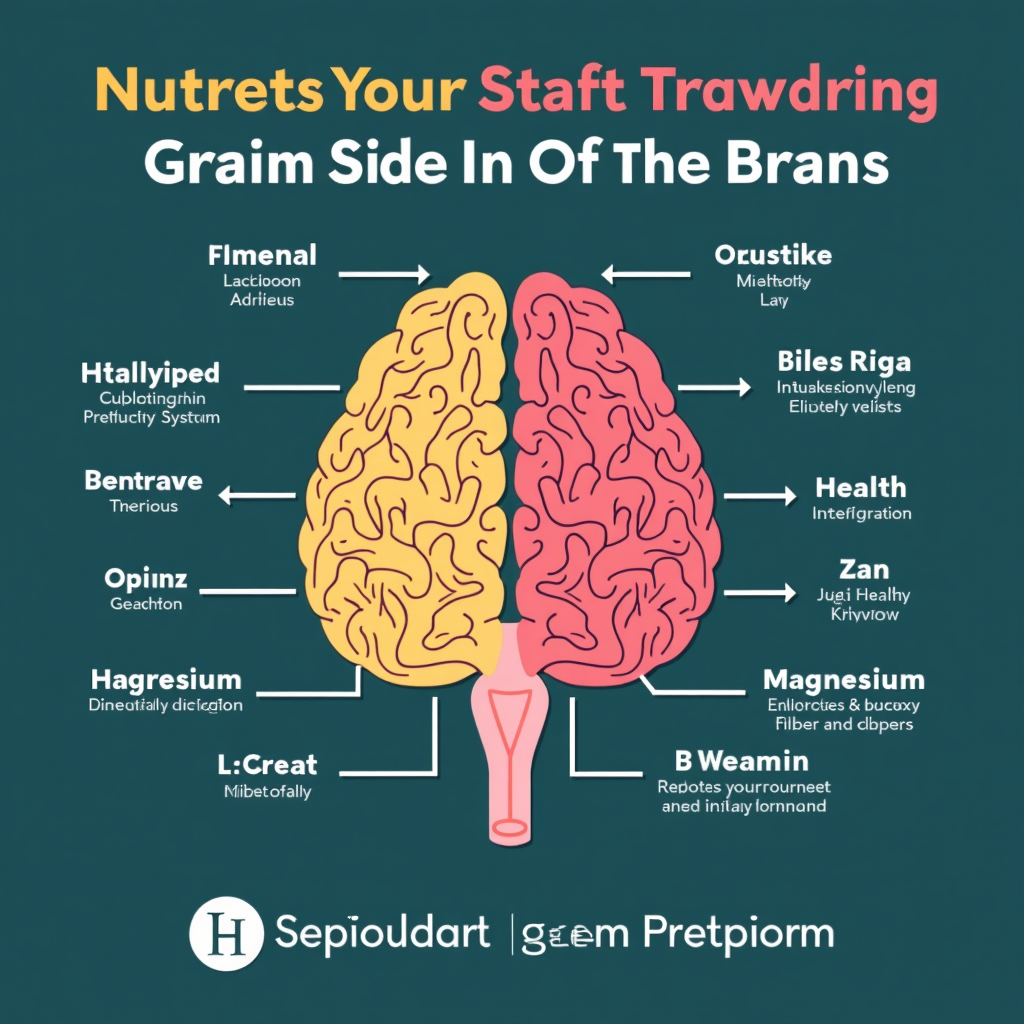
Vitamin D, B vitamins, magnesium, and zinc play pivotal roles in supporting the gut-brain axis. Vitamin D helps regulate mood and may even mitigate depression, while B vitamins are key players in neurotransmitter synthesis. Magnesium’s calming effect on the nervous system aids in reducing anxiety, and zinc is crucial for neurogenesis and cognitive function. Incorporating these nutrients into your diet can significantly enhance your overall mental and gut health.
Probiotics and Prebiotics: The Power Players
Probiotics and prebiotics are fundamental for fostering a healthy gut microbiome, which directly influences your brain health. Probiotics, found in fermented foods, introduce beneficial bacteria into your gut, while prebiotics serve as food for these bacteria, promoting their growth and activity. This symbiotic relationship enhances digestion, reduces inflammation, and can even improve mood and cognitive clarity.
The impact of probiotics and prebiotics on your gut-brain axis has been supported by various studies. Research suggests that probiotics, such as Lactobacillus and Bifidobacterium strains, can reduce symptoms of anxiety and depression by positively modulating the gut microbiome and influencing neurotransmitter pathways. Foods like yogurt, kefir, and sauerkraut are excellent sources of probiotics, while bananas, onions, and garlic provide prebiotic fiber. By enriching your diet with these elements, you actively contribute to a healthier gut flora and improved mental function.
The Impact of Lifestyle Choices on Gut-Brain Connectivity
Your daily choices can significantly influence the communication between your gut and brain. Factors such as diet, exercise, and sleep patterns all play vital roles in shaping the health of your gut microbiome and ultimately, your mental wellbeing. A well-balanced lifestyle fosters an environment that supports a flourishing gut microbiome, which is necessary for maintaining optimal cognitive function and emotional stability.
Dietary Habits that Shape Mental Wellbeing
Exercise: The Overlooked Connector of Gut and Brain
Regular physical activity not only enhances physical fitness but also contributes to a healthier gut microbiome. Engaging in exercise promotes the growth of beneficial gut bacteria and reduces inflammation, which are key factors in maintaining optimal brain function and mood. Studies indicate that even moderate exercise, such as walking or yoga, can improve gut health, demonstrating the profound interrelation between your body and brain.
Incorporating exercise into your daily routine fosters more than just physical improvements; it enhances your gut’s ability to communicate with your brain. When you engage in activities like jogging or strength training, you create a favorable hormonal environment that encourages the production of short-chain fatty acids (SCFAs) through the fermentation of dietary fibers in the gut. These SCFAs are vital for brain health, supporting neurotransmitter balance and reducing stress and anxiety levels. Furthermore, exercising regularly encourages better sleep patterns, which are fundamental for gut health, creating a feedback loop that continually strengthens this critical connection.
Tailoring Your Supplementation for Optimal Results
Crafting a personalized supplementation plan is crucial for maximizing the benefits of your regimen. By understanding your individual needs, you can fine-tune your intake of specific nutrients and optimize your gut-brain connection. This targeted approach increases the chances of experiencing noticeable improvements in both mental clarity and digestive health, creating a well-rounded state of wellness.
How to Identify Your Unique Gut-Brain Needs
Assessing your lifestyle, diet, and specific health concerns serves as a foundational step in recognizing your unique gut-brain needs. You might keep a journal logging your mood, digestion, and energy levels, which can reveal correlations between your food choices and mental sharpness. Consulting a healthcare professional or nutritionist can further refine this process, providing insights tailored to your individual health history.
Practical Guide to Supplement Sourcing and Usage
Finding the right supplements involves more than just picking a popular brand. Look for transparency in sourcing, formulation, and third-party testing to ensure quality and efficacy. Start with a basic regimen that includes probiotics, omega-3 fatty acids, and B vitamins, and adjust based on your personal observations and health objectives. Tracking your progress can also help you identify which supplements yield the best results for your gut-brain axis balance.
When sourcing supplements, choose reputable brands that provide Certificates of Analysis (CoA) and are transparent about their ingredient sourcing. For instance, look for probiotics formulated with specific strains known to support cognitive function, such as Lactobacillus rhamnosus. Additionally, consider identifying potential allergens or sensitivities that may interfere with your supplementation efforts. Using apps or journals to track your supplementation schedule, alongside keeping notes on your physical and mental responses, can help you make adjustments as needed for optimal gut-brain harmony.
Future Trends in Gut-Brain Research
Exploring the frontier of gut-brain research, emerging trends promise to unlock deeper insights into the complex interplay between your microbiome and mental health. Researchers are increasingly focused on understanding microbial metabolism, revealing how specific gut bacteria influence neurological functions. The integration of psychobiotics—probiotics with proven mental health benefits—is gaining traction, setting the stage for more tailored, effective interventions.
Emerging Technologies and Innovations
Advancements in technology are revolutionizing gut-brain research, with innovations like metagenomics and machine learning enhancing analysis of microbiome data. These cutting-edge tools enable precise mapping of gut bacteria composition, leading to personalized supplementation strategies. Wearable devices and mobile health applications are also allowing you to track dietary intake and gut health in real-time, fostering more informed decisions regarding your gut-brain axis.
Potential Breakthroughs in Precision Supplementation
Precision supplementation is on the verge of significant breakthroughs, driven by the incorporation of individual microbiome profiles into treatment plans. With the rise of personal genomics and gut profiling, you can expect tailored supplements targeting specific microbiome imbalances. For example, a recent study highlighted how individuals with a low diversity of gut bacteria responded positively to specific prebiotics that bolstered their mental health. This shift towards individualized nutrition represents a powerful approach in optimizing your gut-brain connectivity.
As researchers explore deeper into the gut-brain connection, they are uncovering precise formulations that cater to unique microbiome compositions. For instance, some groundbreaking studies have shown that specific strains of probiotics, like Lactobacillus rhamnosus, can significantly impact serotonin production, enhancing mood disorders in individuals with certain gut profiles. Expect future developments to provide even more refined solutions, enabling you to manage not just gut health but also overall emotional and cognitive well-being through targeted supplementation strategies.
Summing up
From above, it’s clear that precision supplementation can significantly enhance the gut-brain axis, impacting your overall health and well-being. By understanding your unique microbiome and incorporating targeted nutrients, you can optimize both gut and brain function. Tailoring your supplementation to support this vital connection empowers you to improve mood, cognitive performance, and digestive health. By investing in personalized nutrition, you take proactive steps toward fostering a balanced and vibrant life.
FAQ
Q: What is the gut-brain axis and why is it important?
A: The gut-brain axis refers to the complex communication network linking the gastrointestinal tract and the brain. This connection is important as it influences various physiological processes, including mood regulation, cognitive function, and immune responses. A well-functioning gut-brain axis can promote mental clarity and emotional stability, while disruptions in this connection may lead to issues such as anxiety, depression, or digestive problems.
Q: How does precision supplementation help in optimizing the gut-brain axis?
A: Precision supplementation is tailored to meet individual needs based on specific health markers, lifestyle factors, and gut microbiome composition. This personalized approach ensures that the chosen supplements effectively support the balance of neurotransmitters, enzymes, and beneficial gut bacteria, ultimately enhancing the functionality of the gut-brain axis and improving both mental and digestive health.
Q: What types of supplements are recommended for gut-brain optimization?
A: Commonly recommended supplements include probiotics, prebiotics, omega-3 fatty acids, and specific vitamins like B-complex and vitamin D. Probiotics help restore healthy gut flora, while prebiotics serve as nourishment for these beneficial bacteria. Omega-3 fatty acids are known to support brain health and reduce inflammation, whereas B vitamins play a key role in energy production and neurotransmitter synthesis.
Q: Are there any dietary changes that should accompany supplementation?
A: Yes, adopting a balanced diet rich in fiber, healthy fats, and nutrient-dense foods can enhance the effects of supplementation. Incorporating a variety of fruits, vegetables, whole grains, lean proteins, and fermented foods can support gut health and boost the effectiveness of supplementation for optimizing the gut-brain axis.
Q: How long does it take to see results from precision supplementation for gut-brain axis optimization?
A: Results can vary significantly among individuals, depending on personal health conditions, existing dietary habits, and the specifics of the supplementation protocol. Some may notice improvements in mood and digestive function within a few weeks, while others may require several months for optimal benefits. Regular monitoring and adjustments to one’s supplementation plan may help in achieving desired results more effectively.