

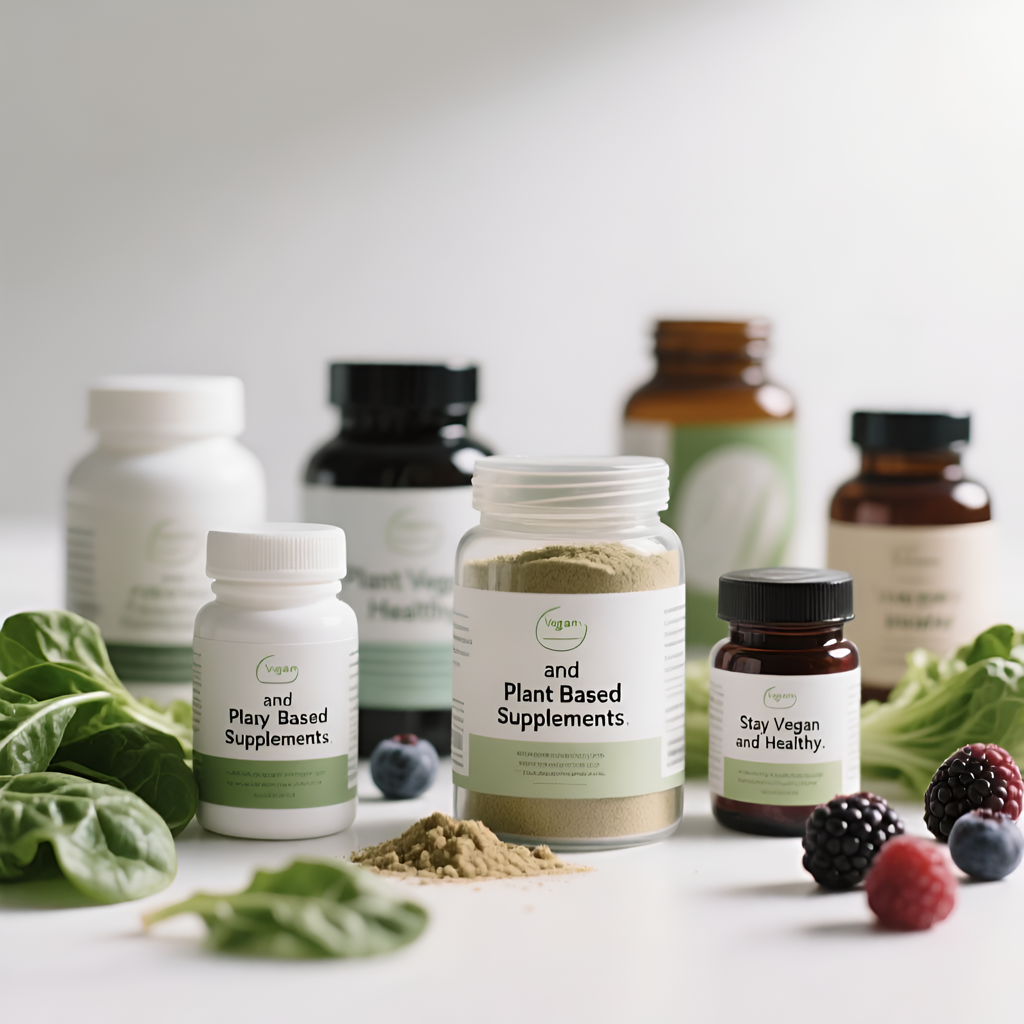
You may be wondering how to maintain your health while adhering to a vegan lifestyle. Incorporating vegan and plant-based supplements into your daily routine can help you meet your nutritional needs effectively. These supplements can provide crucial vitamins, minerals, and proteins that might be lacking in a plant-only diet. By choosing the right supplements, you can support your overall well-being, enhance your energy levels, and ensure you stay thriving on your vegan journey. Let’s explore the different types of supplements available to help you stay healthy and vibrant as a vegan.
Key Takeaways:
- Vegan and plant-based supplements can effectively provide necessary nutrients often lacking in a strictly vegan diet, such as vitamin B12, iron, and omega-3 fatty acids.
- It’s important to choose high-quality, reputable brands for supplements to ensure they meet nutritional needs and are free from harmful additives.
- Incorporating a variety of whole foods, such as fruits, vegetables, legumes, and whole grains, is necessary to maintain overall health while following a vegan lifestyle.
- Regular consultation with a healthcare provider or nutritionist can help tailor a supplement regimen that aligns with individual dietary needs and health goals.
- Adopting a balanced approach to veganism, which includes both whole foods and appropriate supplements, supports sustained health and vitality.
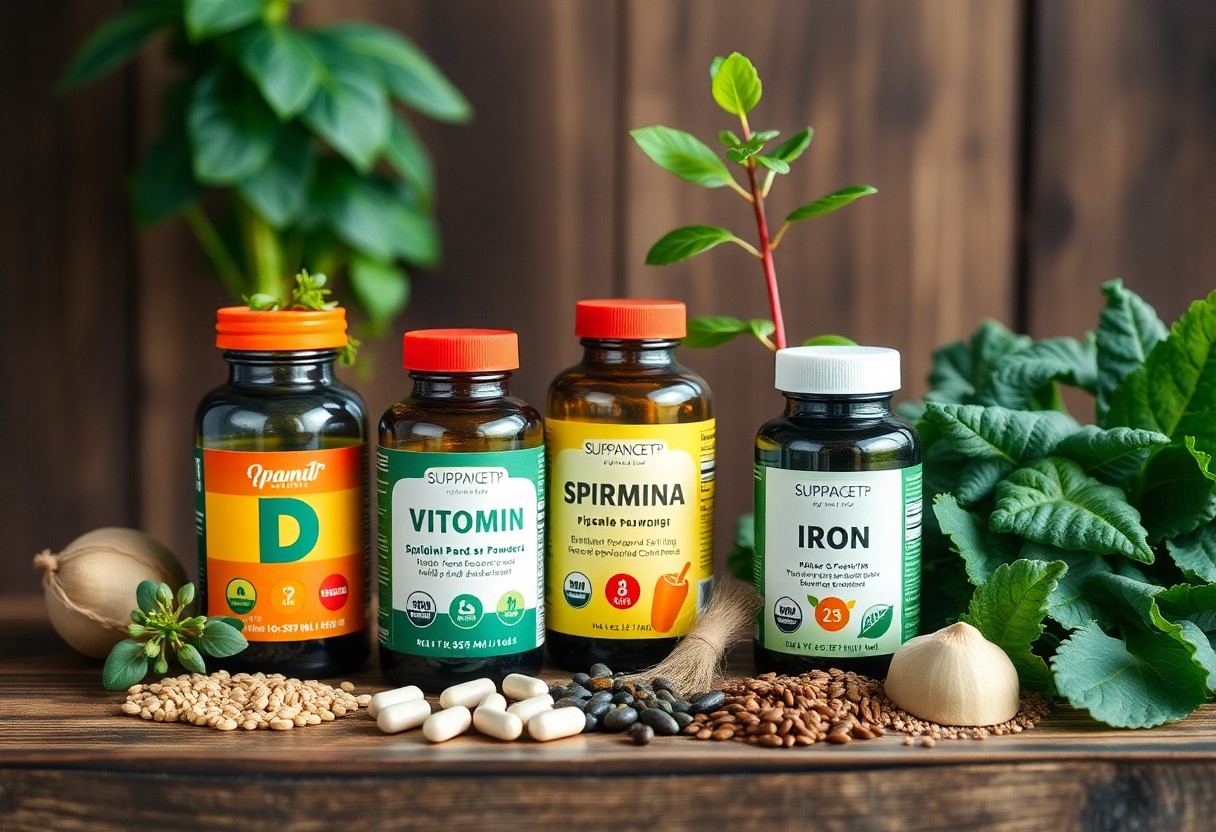
Unlocking Nutritional Power: Key Vegan Supplements
Understanding the nutritional gaps that may arise in a vegan diet can help you make informed decisions about supplementation. Key supplements can elevate your daily intake of vital nutrients, ensuring you thrive on a plant-based journey. Tailoring your supplement choices can support your overall health, enhance energy levels, and help you achieve a more balanced nutritional profile.
Essential vitamins and minerals for a vegan diet
Incorporating vital vitamins and minerals into your plant-based regimen is indispensable for nutritional balance. Vitamin B12, iron, calcium, and vitamin D are commonly under-consumed in a vegan diet. While B12 primarily comes from animal sources, fortified foods and supplements can help you meet your requirements. Iron absorption from plant sources can be enhanced with vitamin C, and including fortified or calcium-rich foods can support your bone health.
The role of omega-3s and protein sources
Omega-3 fatty acids are often overlooked in vegan diets, but they play a critical role in maintaining brain health and reducing inflammation. Plant-based sources include flaxseeds, chia seeds, and walnuts, but you might find it beneficial to consider algal oil supplements as well. Protein sources are abundant in a vegan diet, from legumes and quinoa to nuts and seeds, ensuring your body receives sufficient amino acids for muscle repair and growth.
Including a variety of protein sources is vital for diversifying amino acid intake in your vegan diet. While legumes such as lentils and chickpeas are excellent protein providers, grains like quinoa offer a complete amino acid profile. Nuts and seeds serve not only as protein powerhouses but also add healthy fats and fiber, contributing to overall satiety. Experimenting with different combinations ensures you’re not only meeting your protein needs but also enjoying flavorful meals that support your health and vitality.
Beyond Food: The Importance of Plant-Based Nutraceuticals
Plant-based nutraceuticals offer an array of benefits that go beyond traditional nutrition, enhancing overall well-being for those following a vegan lifestyle. These supplements derive from plant sources and can provide vital vitamins, minerals, and phytochemicals that promote health. Incorporating these nutraceuticals into your diet can support your immune system, boost energy levels, and contribute to long-term health strategies, ensuring you remain vibrant and active.
Herbal Supplements That Enhance Vegan Health
Herbal supplements play a significant role in optimizing your health as a vegan. Ingredients such as ashwagandha and turmeric are known for their adaptogenic properties, balancing stress and inflammation. Supplements like spirulina and chlorella pack a nutritional punch, providing protein and vital fatty acids to support your vegan diet. By integrating these potent herbs into your regimen, you can enhance your nutrient intake and support systemic health.
Functional Foods: The Benefits of Superfoods
Functional foods, particularly superfoods, can elevate your nutritional game as a vegan. Ingredients like quinoa, hemp seeds, and chia seeds offer complete proteins and healthy fats. Regularly consuming these superfoods can enhance your energy, improve digestion, and contribute to overall health. Rich in antioxidants, vitamins, and minerals, they not only nourish your body but also provide targeted health benefits that help you thrive.
Superfoods like blueberries, kale, and acai berries are ideal additions due to their high antioxidant levels, helping combat oxidative stress and inflammation. Quinoa provides all nine vital amino acids, making it a complete protein source. Incorporating sources like spirulina or maca root can boost your energy levels and support cognitive function. Overall, functional foods and superfoods contribute vital nutrients that reinforce your health, ensuring you remain strong and balanced on your vegan journey.
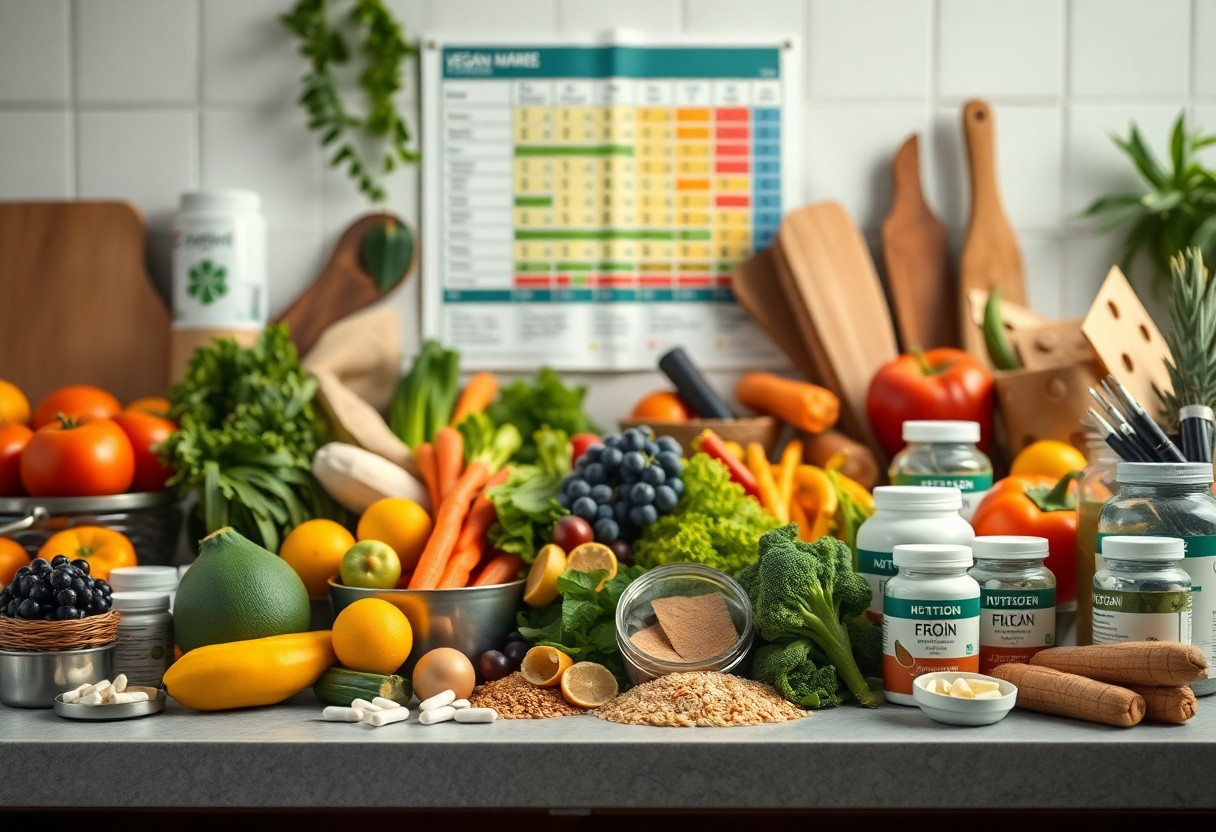
Challenges of a Vegan Lifestyle: Navigating Nutrient Deficiencies
Embracing a vegan lifestyle certainly has its rewards, but it can also challenge your nutritional balance. Plant-based diets sometimes fall short in imperative nutrients like vitamin B12, omega-3 fatty acids, iron, and calcium. This imbalance can lead to fatigue, immune dysfunction, and bone health complications. Understanding these potential pitfalls is key to ensuring your well-being while staying true to your vegan choices.
Identifying Common Dietary Gaps
Your vegan diet might lack certain nutrients primarily found in animal products. For instance, vitamin B12 is virtually absent in plant foods, making supplements necessary for preventing deficiencies that can affect nerve function and blood health. Similarly, iron from plant sources is less bioavailable, and calcium intake may drop without dairy. Recognizing these nutrient gaps helps you tailor your diet effectively.
Mitigating Risks Through Targeted Supplementation
To counter potential deficiencies, consider integrating targeted supplements into your routine. For example, taking a daily vitamin B12 supplement is imperative for maintaining energy levels and cognitive function. Omega-3 fatty acids from algae oil can support heart and brain health, while iron supplements can help prevent anemia. By focusing on these specific needs, you can ensure a balanced nutrient profile without compromising your vegan values.
Targeted supplementation not only helps bridge gaps in your vegan diet but also enhances overall health. A recent study found that vegans who supplemented with vitamin B12 experienced less fatigue and improved mood compared to those who did not. Additionally, supplementing with DHA and EPA from algal oil can lead to better cardiovascular health. By carefully selecting supplements that address your unique nutritional needs, you empower yourself to thrive in your vegan lifestyle while effectively countering the risks of nutrient deficiencies.
Practical Strategies: Choosing the Right Supplements
Selecting the right supplements can significantly enhance your vegan and plant-based lifestyle. Start by identifying the nutrients you’re most likely to miss due to dietary restrictions, such as vitamin B12, iron, or omega-3 fatty acids. Research brands known for ethical sourcing and transparency in ingredient lists. Aim for third-party certifications to ensure product quality and efficacy. This strategic approach helps you tailor your supplement choices to your unique dietary needs while maintaining your commitment to a vegan lifestyle.
How to evaluate supplement quality and efficacy
Evaluating supplement quality involves looking for certifications, ingredient transparency, and sourcing practices. Check for third-party testing logos, which indicate that the product has been independently verified for quality and purity. Investigate the reputation of the brand, reading customer reviews and research studies about the effectiveness of specific ingredients. A commitment to high-quality sourcing should be your benchmark for selecting the right products for your health journey.
Personalized supplementation: Understanding your unique needs
Understanding your unique needs is crucial for effective supplementation. Every individual has different dietary preferences, activity levels, and health goals. Factors such as age, gender, and lifestyle can impact nutrient requirements. For example, athletes may need higher protein and vitamin intake, while those with specific health conditions might require tailored vitamins to support recovery. Consulting with a healthcare professional can help you pinpoint your specific needs and create a personalized supplementation plan that aligns with your vegan diet.
Your unique needs form the foundation of an effective supplementation strategy. A detailed assessment, including dietary habits, health history, and lifestyle factors, can reveal where you might need additional support. For instance, if your diet lacks fortified foods, you may require a B12 supplement. On the other hand, those involved in intensive training might benefit from increased iron and protein supplements to boost recovery. Working with a nutritionist allows for individualized recommendations, ensuring your supplement routine effectively complements your vegan lifestyle while supporting overall health and well-being.
Sustainable Wellness: The Ethics of Vegan Supplements
If you’re committed to a vegan lifestyle, the ethics behind your supplement choices matter significantly. Opting for vegan supplements not only benefits your health but also promotes ethical sourcing and environmentally friendly practices. By understanding the implications of your selections, you contribute to a more sustainable world and encourage industries that prioritize wellness for both individuals and the planet.
The impact of supplement sourcing on the environment
The environmental footprint of supplement sourcing can be substantial, affecting ecosystems and biodiversity. Harvesting ingredients from unsustainable practices depletes natural resources and impacts local communities. For example, the overharvesting of certain superfoods contributes to habitat loss. By choosing supplements from responsibly sourced materials, your choices can help preserve ecosystems while supporting long-term sustainability efforts.
Supporting companies with ethical practices
Committing to companies that prioritize ethical practices in their supplement production creates a ripple effect that benefits everyone. Research shows that businesses focused on transparency and sustainability often implement fair labor practices, support local farmers, and minimize wasteful packaging. Your purchasing power drives such companies to uphold high standards, embodying responsible business practices that promote both social and environmental well-being.
When you actively support companies with ethical practices, you’re contributing to a movement that values integrity and responsibility. For instance, brands that utilize cruelty-free testing methods, source organic ingredients, and invest in eco-friendly operations are paving the way for a healthier planet. Tracking certifications such as Fair Trade or Non-GMO can guide your choices, ensuring you align your values with your purchasing decisions, thus amplifying the impact of your vegan lifestyle.
Summing up
The journey to staying vegan and healthy can be greatly supported by incorporating vegan and plant-based supplements into your diet. These supplements can help ensure you’re meeting all your nutritional needs while adhering to a plant-based lifestyle. By choosing high-quality, vegan-friendly supplements, you empower yourself to optimize your health, enhance your energy levels, and maintain overall well-being. Always consult with a healthcare professional to tailor your supplement intake to your specific dietary requirements. Your vegan journey can be both rewarding and healthful when you make informed choices.
FAQ
Q: What are vegan and plant-based supplements?
A: Vegan and plant-based supplements are dietary products derived exclusively from plant sources, which do not contain any animal-derived ingredients. These supplements provide vital nutrients such as vitamins, minerals, proteins, and omega fatty acids, sourced from plants, ensuring that individuals following a vegan lifestyle can meet their dietary needs effectively.
Q: How can I ensure I’m getting enough protein on a vegan diet?
A: To obtain adequate protein on a vegan diet, you can incorporate a variety of plant-based protein sources such as legumes (beans and lentils), nuts, seeds, tofu, tempeh, and whole grains like quinoa and brown rice. Additionally, consider plant-based protein supplements, such as pea protein or hemp protein, to help meet your protein requirements without animal products.
Q: Are there specific vitamins or minerals I should pay attention to when following a vegan diet?
A: Yes, some vitamins and minerals are typically of concern for those on a vegan diet. Pay special attention to vitamin B12, iron, calcium, omega-3 fatty acids, and vitamin D. Including fortified foods or supplements, as well as consuming a variety of fruits, vegetables, grains, nuts, and seeds, can help ensure sufficient nutrient intake.
Q: Can I trust the quality of vegan supplements on the market?
A: It is vital to choose high-quality vegan supplements from reputable brands. Look for products that are certified organic, non-GMO, and undergo third-party testing for purity and potency. Researching customer reviews and consulting with health professionals can also help ensure that the supplements align with your health goals and dietary preferences.
Q: How can I incorporate supplements into my daily routine while staying vegan?
A: Incorporating supplements into your routine can be simple and effective. Start by assessing your dietary needs and consult with a healthcare professional for personalized recommendations. You can take supplements in various forms, such as capsules, powders, or bars. Add powdered supplements to smoothies, oatmeal, or baked goods for a convenient way to boost nutrition without altering your vegan lifestyle.