

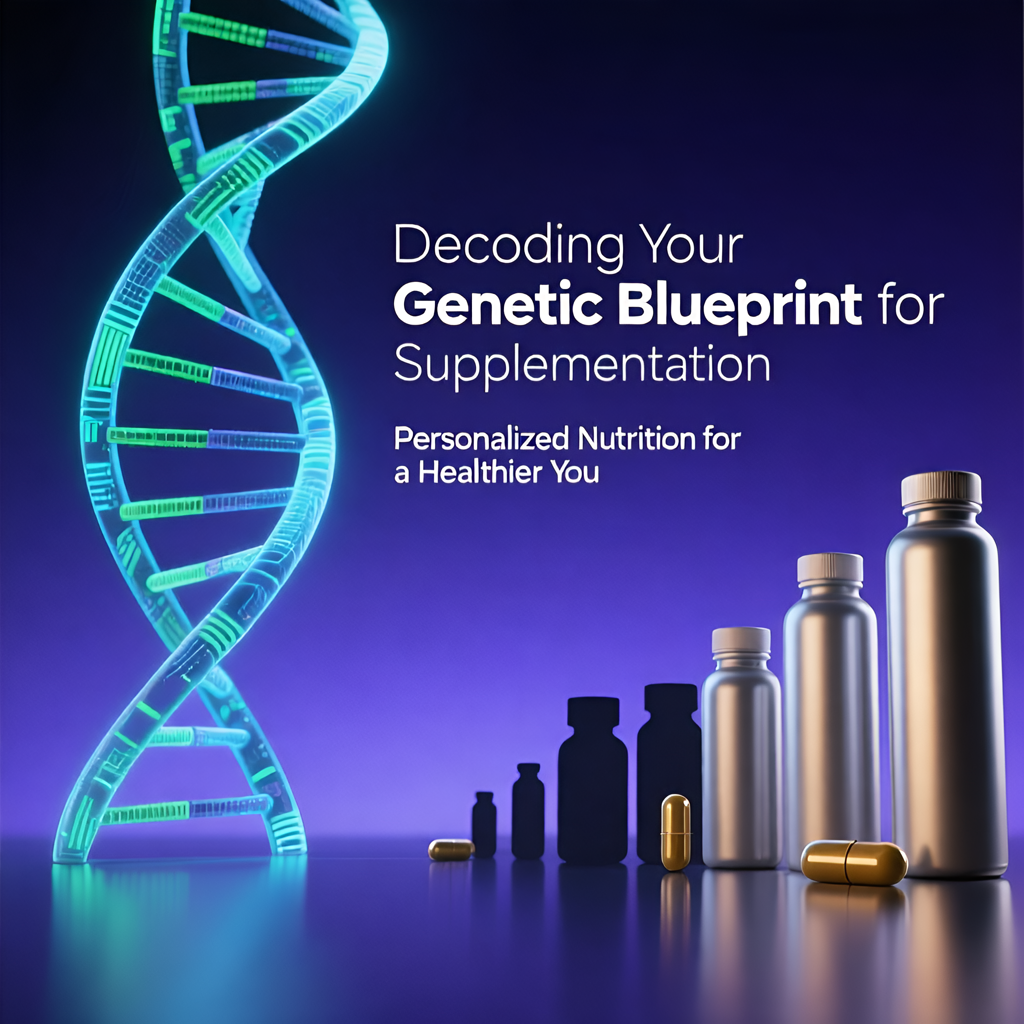
Over recent years, personalized nutrition has gained attention, promising supplements tailored to your unique genetic makeup. But how much science truly supports the idea that your DNA should dictate your supplement choices? You might wonder if genetic testing can accurately guide you to better health or if these claims are simply marketing hype. In this post, you’ll explore the scientific evidence behind DNA-based supplements, helping you make informed decisions rooted in research rather than trends.
Key Takeaways:
- Personalized supplements based on DNA promise tailored nutrition but lack robust scientific validation for broad effectiveness.
- Genetic variations can influence nutrient metabolism, but current testing panels cover only a small fraction of relevant gene variants.
- Environmental factors, diet, and lifestyle play significant roles that DNA-based recommendations often overlook.
- Many mass-market DNA supplements offer generalized advice rather than truly individualized guidance supported by large-scale clinical trials.
- Consumers should approach DNA-based supplement claims with skepticism and consult healthcare professionals before making changes.
Decoding Your Genetic Blueprint for Supplementation
Your genetic blueprint offers some insight into how your body metabolizes nutrients, but it is far from a complete map for determining your exact supplement needs. Variations in genes related to digestion, transport, and metabolism can influence how effectively you absorb or utilize vitamins and minerals. However, the science remains limited in translating these findings into broad, actionable supplement regimens, especially given the complex interactions between genetics, diet, lifestyle, and environment.
The Role of Genes in Nutrient Absorption
Genetic variants in transport proteins and enzymes can affect nutrient absorption rates. For example, mutations in the MTHFR gene influence folate metabolism, which impacts how your body processes folic acid supplements. Similarly, variations in genes like SLC23A1 can modify your vitamin C absorption efficiency. These gene-nutrient interactions highlight why two individuals may respond differently to the same supplement dose.
How Genetic Variants Influence Supplement Needs
Genetic differences can skew your requirements for certain nutrients, but these variations don’t always translate into straightforward supplementation needs. For instance, carriers of the APOE4 allele may have altered vitamin D metabolism, potentially necessitating higher vitamin D intake. Yet, without comprehensive clinical context, supplementing solely based on such genetic markers risks oversimplifying nutrient requirements driven by multifactorial influences.
Expanding on this, studies on the CYP1A2 gene show that fast metabolizers of caffeine may experience different cardiovascular effects, suggesting that even stimulant tolerance can impact supplement recommendations such as B-vitamin or magnesium intake. Meanwhile, polymorphisms in HFE gene associated with iron overload remind you that more isn’t always better—excess supplementation can cause harm. These examples underscore the nuanced reality that genetic variants inform potential supplement needs but require integration with your entire health profile for truly personalized guidance.
The Mass-Market Supplement Dilemma
Mass-market supplements flood the shelves promising quick fixes and enhanced well-being, but many rely on generic formulations that ignore individual variability. You face products containing high doses of vitamins and minerals, often exceeding established safe limits without personalized guidance. This one-size-fits-all approach can lead to inefficacy or even adverse effects, especially without proven biomarkers to guide dosing. With regulatory oversight minimal compared to pharmaceuticals, the gap between marketing claims and scientific evidence widens, leaving you to navigate a marketplace where quality and relevance to your unique biology are far from guaranteed.
Ingredients Under the Microscope: What the Labels Don’t Tell You
Labels often list active ingredients without disclosing the bioavailability or source quality, which heavily influence how your body absorbs and utilizes them. For example, some magnesium supplements contain poorly absorbed oxides instead of more effective citrate or glycinate forms. You might also encounter undisclosed fillers, preservatives, or contaminants, as testing standards vary widely across manufacturers. Without transparent third-party verification, the “natural” or “organic” claims on labels tell you little about purity or potency, making it difficult to determine if your supplement truly delivers what it promises.
Price vs. Efficacy: The Cost of “Natural”
Higher price tags typically signal marketing strategies rather than superior efficacy, leaving you paying more for perceived natural origins instead of proven benefits. Premium supplements may contain exotic ingredients sourced from hard-to-access regions, but clinical trials for these tend to be limited or inconclusive. Meanwhile, some inexpensive supplements incorporate synthetic yet clinically proven nutrients that might serve your needs better. Investing in costly “natural” formulations doesn’t guarantee better absorption or outcomes, meaning your budget might be better spent on evidence-backed options tailored to your specific biochemistry.
Exploring the price-to-efficacy ratio reveals a paradox: “natural” labels often create an illusion of enhanced value, enticing you to spend more on products like turmeric or acai-based capsules, which lack large-scale, rigorous clinical studies validating their superiority. Conversely, synthetic versions like vitamin D3 or folate have decades of research supporting their effectiveness and safety profiles, usually at a fraction of the cost. Marketing often exploits the “natural = better” heuristic, but blind reliance on price can result in overspending on supplements with questionable benefits, while underinvesting in better-administered, research-supported nutrients truly relevant to your health needs.
Personalization vs. One-Size-Fits-All
Mass-market supplements often adopt a universal approach, assuming uniform needs across diverse bodies. However, your genetic makeup influences how you metabolize vitamins, minerals, and botanicals, challenging this blanket methodology. Personalized supplements, crafted based on your unique biology, can address specific deficiencies and optimize absorption, potentially reducing the risk of ineffective dosing or adverse effects. This shift confronts the skepticism around standardized products by embracing individual variability, raising the bar for supplement efficacy beyond generic formulations designed for the average consumer.
The Rise of DNA Testing in Supplement Customization
Companies now leverage direct-to-consumer DNA tests to build supplement profiles tailored to your genetic predispositions. By analyzing genes linked to nutrient metabolism—such as MTHFR for folate or CYP1A2 for caffeine sensitivity—these services offer formulations designed to enhance nutrient utilization and minimize side effects. While still emerging, genetics-based customization challenges you to rethink supplements beyond one-size-fits-all pills, aligning intake more closely with your metabolic nuances and health goals.
Success Stories: Transformations Through Tailored Supplements
Individuals using DNA-guided supplements report marked improvements ranging from enhanced energy levels to better sleep quality. For example, tailored interventions addressing vitamin D receptor gene variants have led to optimized dosing that corrected long-standing deficiencies unresponsive to standard supplements. Such anecdotes underscore how integrating genetic insights into your regimen can translate to tangible health benefits, distinguishing personalized strategies from generic product claims.
One case involved a 45-year-old woman struggling with chronic fatigue despite standard B-vitamin supplementation. Genetic testing revealed variations impacting her ability to process B12 effectively, prompting a switch to methylated forms tailored to her genotype. Within weeks, she experienced notable energy restoration and cognitive clarity, illustrating how addressing genetic factors can pivot supplement effectiveness. These real-world examples demonstrate the potential of personalized supplementation to resolve issues overlooked by conventional, mass-market approaches.
Navigating the Supplement Industry’s Landscape
The supplement market floods shelves with thousands of options boasting tailored benefits, yet many lack robust scientific validation. You’ll encounter claims promising personalized benefits based on DNA testing, but these often overstate the current research linking genetics to nutrient needs. Without stringent oversight, brands can exploit scientific jargon to market generic formulations as “personalized,” making it challenging to discern truly evidence-based supplements amid mass-market hype.
Regulatory Oversight: What Protects Consumers?
In the U.S., dietary supplements are regulated as foods, not drugs, under the Dietary Supplement Health and Education Act (DSHEA) of 1994. This framework means manufacturers don’t need FDA approval before selling products, only ensuring ingredients are generally recognized as safe (GRAS). The FDA can intervene post-market if safety issues arise but doesn’t verify claims upfront, leaving you reliant on brand transparency and third-party testing for product reliability.
How to Identify Quality Supplements in a Saturated Market
Look for supplements certified by third-party organizations like NSF International, USP, or ConsumerLab, which verify ingredient purity and label accuracy. Checking for transparent sourcing, clinically studied ingredient dosages, and avoidance of proprietary blends prevents you from paying for ineffective or unsafe formulations. Brands investing in well-designed clinical trials and publishing results publicly demonstrate higher trustworthiness than those relying on anecdotal testimonials alone.
Third-party verification logos can serve as reliable indicators of product integrity, ensuring contaminants like heavy metals or fillers are absent. Dosages matching clinical research thresholds—such as 400 IU of vitamin D3 or 1,000 mg of omega-3 fatty acids—reflect formulations grounded in science. Transparency about ingredient sources, such as plant-based curcumin standardized to 95% curcuminoids, further distinguishes credible supplements. Be wary of “proprietary blends” that obscure quantities, as they often prioritize marketing over efficacy and don’t allow you to evaluate whether effective doses are present.
The Future of Supplements: Personalized Nutrition
Advances in genetic testing promise to shift supplementation from broad claims to individualized support, tailoring nutrients based on your unique DNA profile. Instead of generic pills, you could receive precise recommendations reflecting how your body metabolizes vitamins, minerals, and botanicals. Yet, early studies reveal personalized formulas sometimes lack rigorous validation, underscoring that your genes are only one factor among diet, lifestyle, and environment influencing nutrient needs. The challenge remains distinguishing science-backed customization from marketing hype masquerading as precision health.
Emerging Trends: Technology Meets Nutrition
Direct-to-consumer genetic kits now integrate with AI-driven platforms that analyze your genetic markers alongside health data to suggest customized supplement regimens. For example, companies like Nutrigenomix offer reports exploring variants linked to nutrient metabolism such as MTHFR impacting folate processing. Wearables also track biomarkers like blood glucose, adapting recommendations dynamically. This fusion of genomics and real-time monitoring aims to revolutionize nutrition, yet widespread clinical validation is still developing, calling for cautious interpretation of tech-generated supplement plans.
Ethical Considerations in Genetic-Based Supplementation
You face significant ethical questions regarding privacy, data security, and potential misuse of your genetic information. Many supplement companies operate in loosely regulated spaces where genetic data may be stored, shared, or sold without full transparency. In addition, unequal access to such personalized solutions could worsen health disparities, benefiting only those who can afford genetic testing and expensive tailored supplements. Ethical oversight lags behind rapid commercialization, leaving consumers vulnerable to exploitation.
Beyond privacy concerns, genetic-based supplementation raises issues around informed consent and genetic determinism. Some users might overinterpret DNA results, expecting supplements to override lifestyle and environmental factors or viewing genetic predispositions as fixed destinies. The sale of supplements marketed as “gene-specific” often outpaces scientific evidence, risking misleading claims that exploit consumer hopes. Regulatory frameworks struggle to enforce accuracy in genetic interpretations, underscoring the need for clear guidelines and ethical transparency from providers. Without robust protection, your genetic data commodification may eventually undermine trust in both nutrition science and personal health autonomy.
Summing up
As a reminder, the idea that your DNA alone should dictate your supplement choices oversimplifies a complex science. While genetics can offer insights, supplement needs depend on many factors including diet, lifestyle, and existing health conditions. You should approach DNA-based supplement plans with careful consideration and seek guidance from qualified health professionals. Relying solely on genetic tests without broader context may lead you to unnecessary or ineffective products, rather than truly beneficial support tailored to your unique health profile.
FAQ
Q: Can DNA testing reliably determine which supplements I should take?
A: While DNA testing can provide insights into certain genetic variants related to nutrient metabolism, the current scientific evidence does not support using these tests alone to dictate specific supplement regimens. Many factors beyond genetics, such as diet, lifestyle, and existing health conditions, influence nutritional needs. Additionally, the interpretation of genetic data in the context of supplementation often lacks robust clinical validation.
Q: Are personalized supplements based on genetic profiling more effective than standard multivitamins?
A: The idea of personalized supplements tailored to one’s genetic profile is appealing, but rigorous research demonstrating their superiority over conventional supplements is limited. Most marketed DNA-based supplement plans rely on associations rather than proven cause-effect relationships, and they often do not account for environmental or physiological factors. Therefore, they may not provide significant benefits compared to balanced nutrition and standard supplementation where deficiencies exist.
Q: What are the potential drawbacks of selecting supplements solely based on genetic information?
A: Basing supplement choices exclusively on genetic data risks oversimplifying complex nutritional needs. Genetic variations typically influence nutrient requirements subtly and interact with many external factors. Overemphasis on genetics could lead to unnecessary supplementation, potential nutrient imbalances, or neglect of more impactful lifestyle changes. It is advisable to consider genetic information as one piece of a broader health assessment rather than the only guide for supplementation.